

All posts by admin
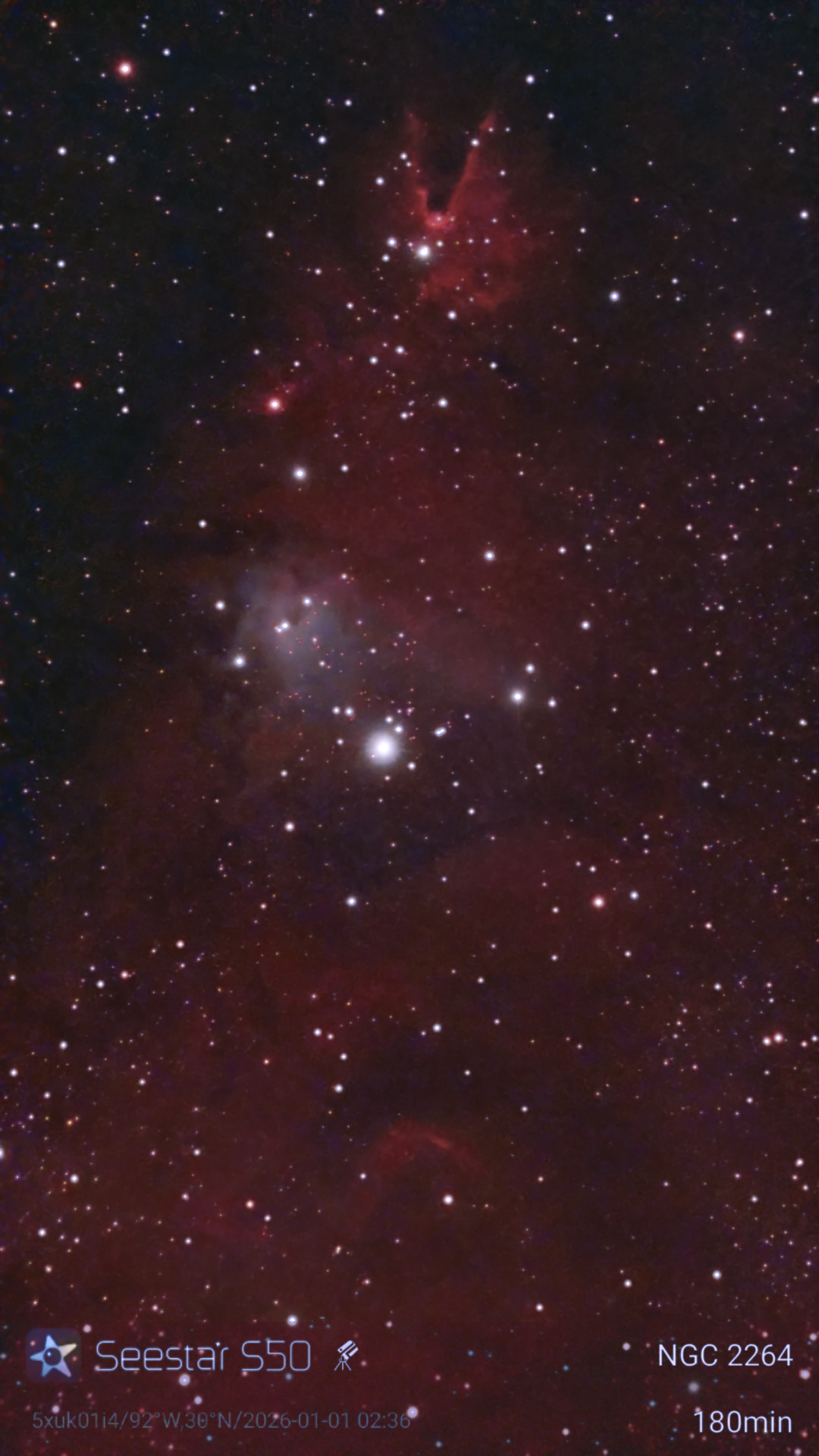
Cone Nebula & Christmas Tree Cluster Area
This was 3 hrs in one continuous run using 20 sec sub-images using the Seestar S50. Taken on Jan 1, 2026 in the early morning hours in Bortle 8/9 conditions.
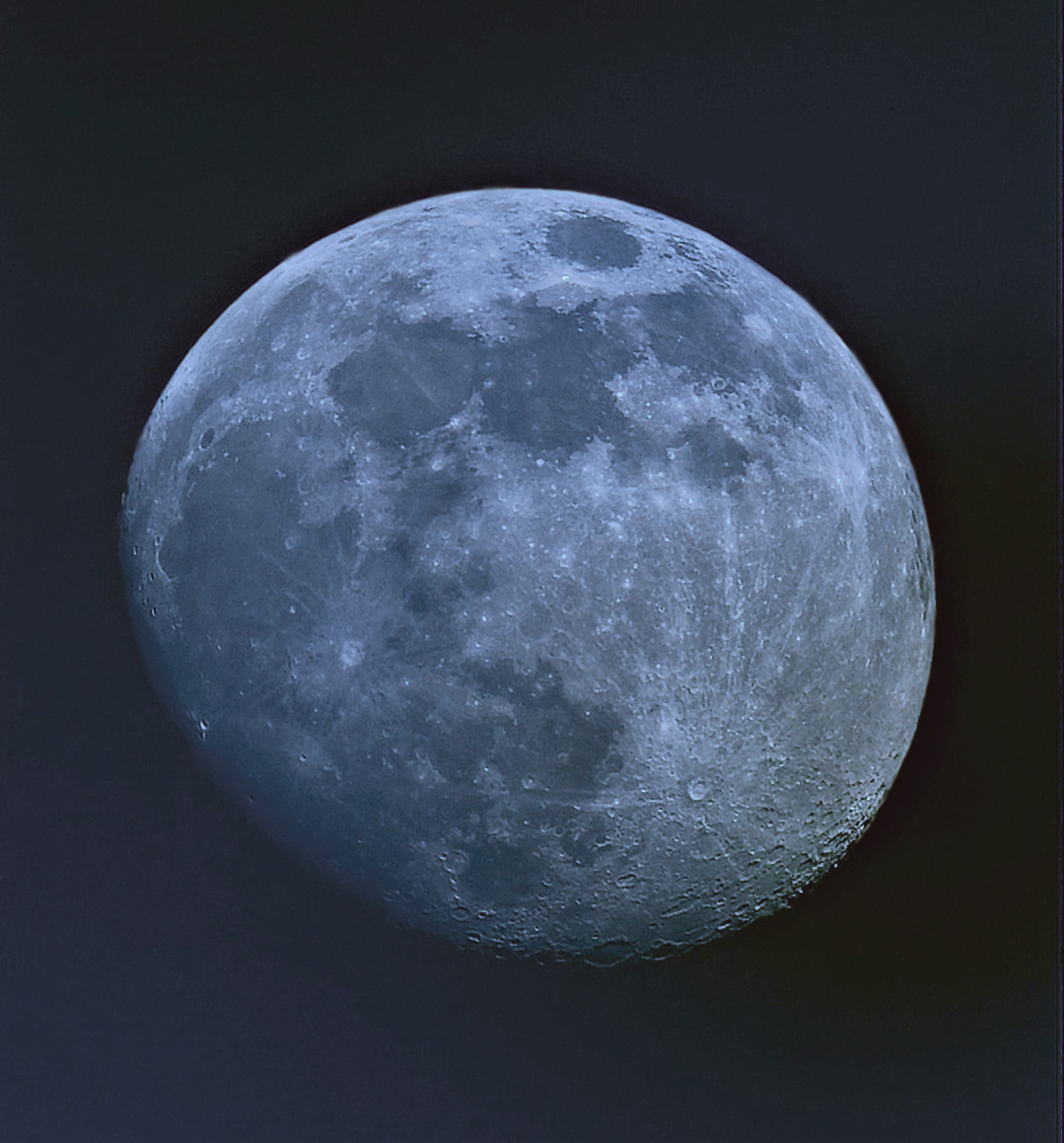
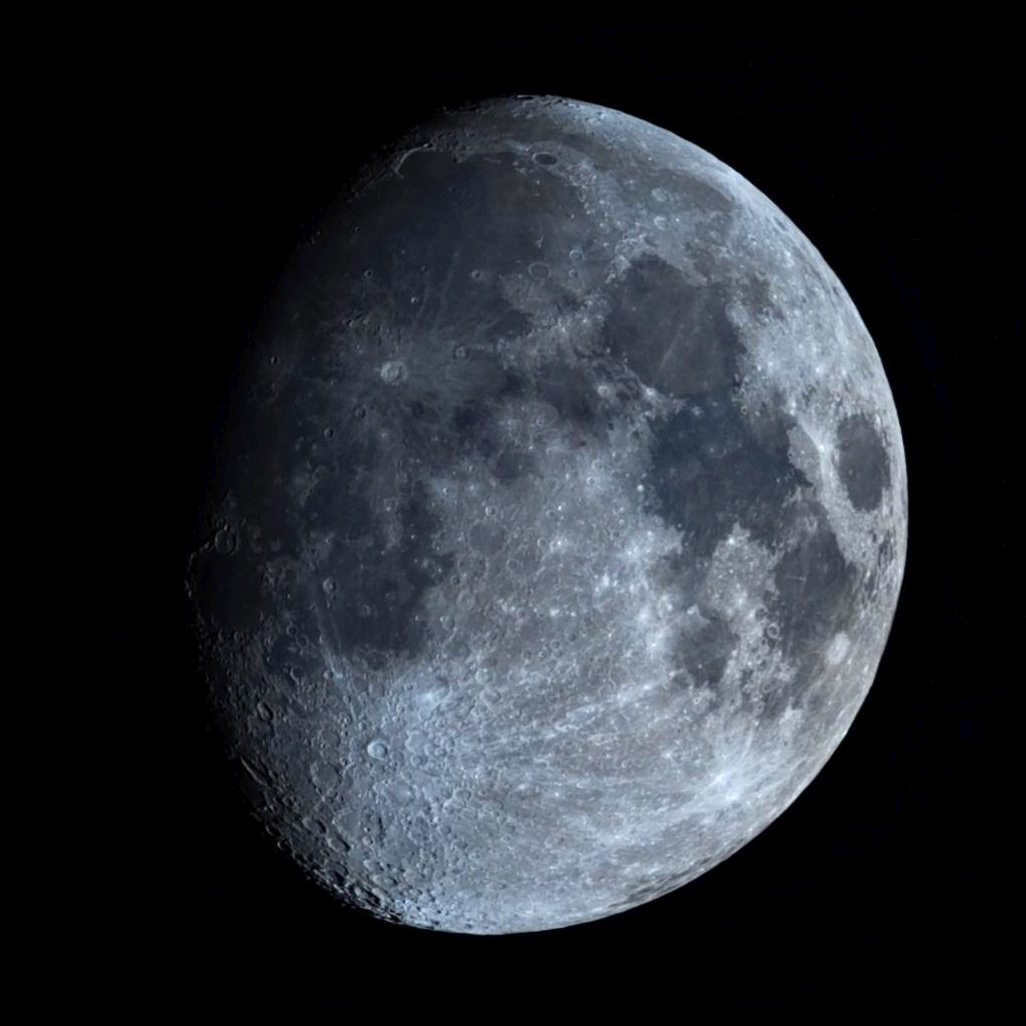
New Year’s Eve Daytime Moon
“The last moon image of 2025.”
I stacked 4 images of the Moon taken with the Seestar S50 in alt-az mode while it was still daylight and adjusted the stacked image to minimize the blue sky and make it look darker than it actually was.
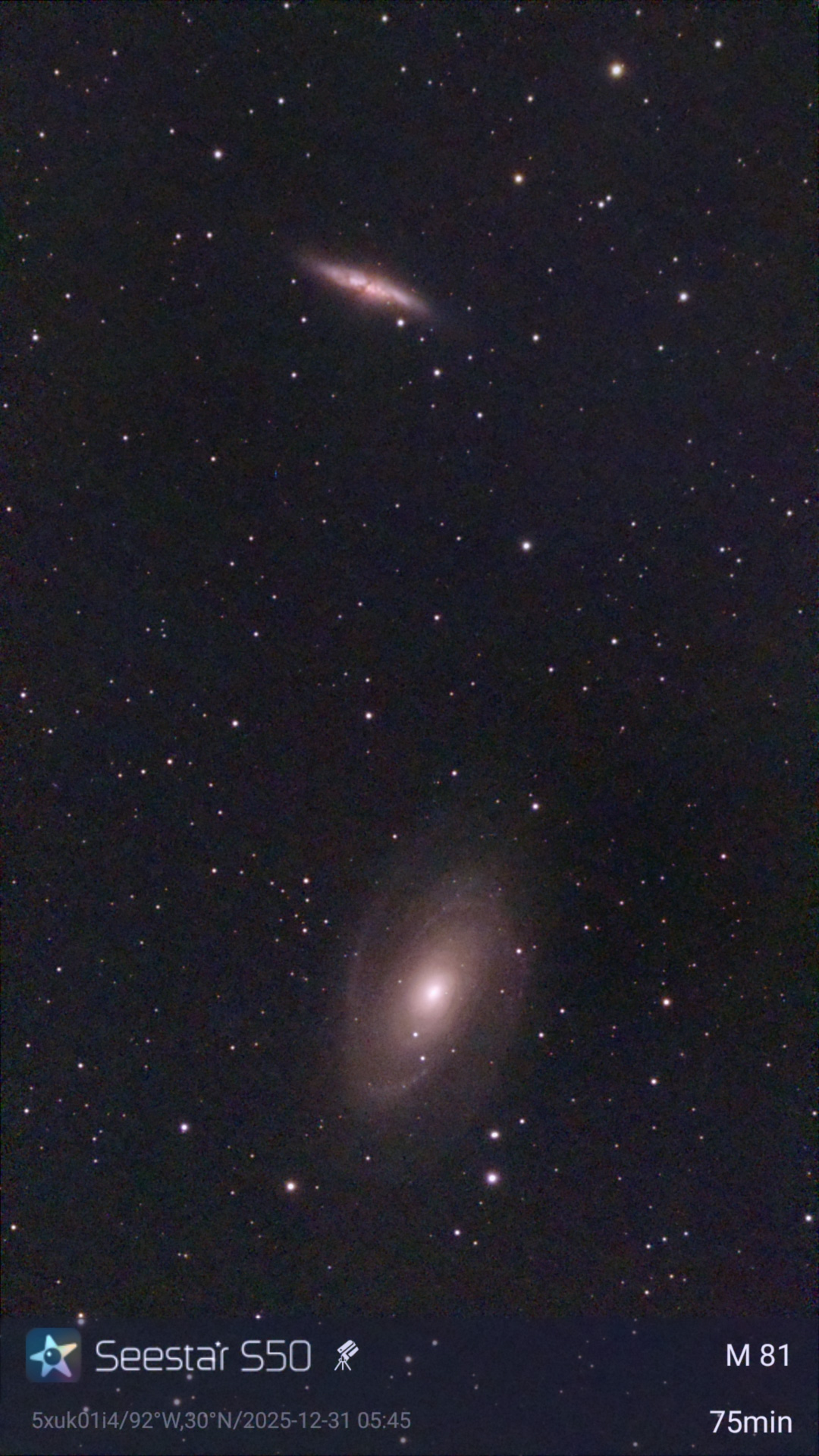
Galaxies M81 & M82
The, “Ghost of Cassiopeia,” on Dec 30th & 31st, 2025
Over 4 hrs of integration stretched out over 2 days for this one. Still needs more time, but I did what I could with what I had and it is not too bad.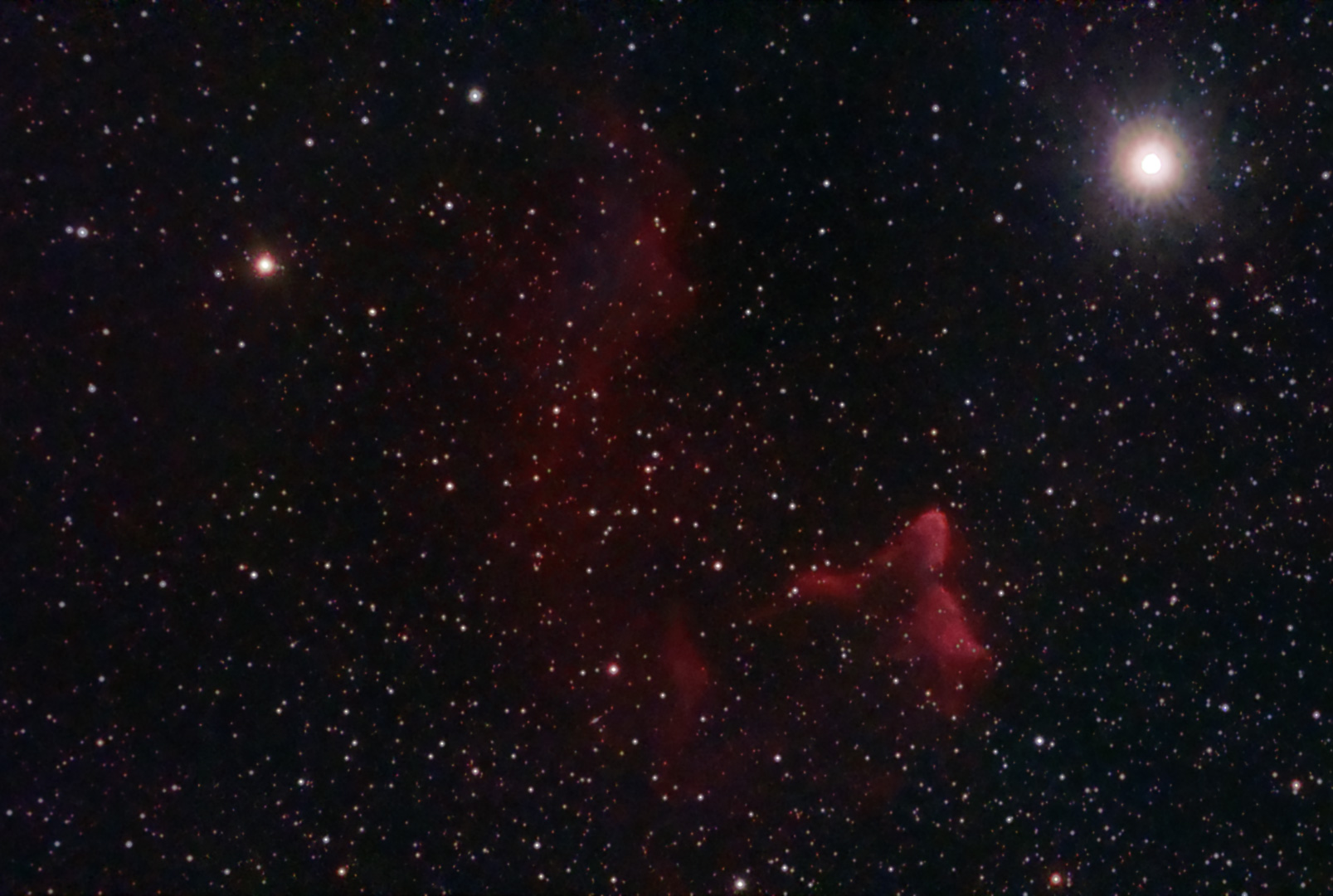
The Ghost of Cassiopeia – 4.2 hrs exposure over Dec 30 & Dec 31, 2025.
The Moon of December 30th, 2025
A single-shot moon image with just a little sharpening and saturation boost.
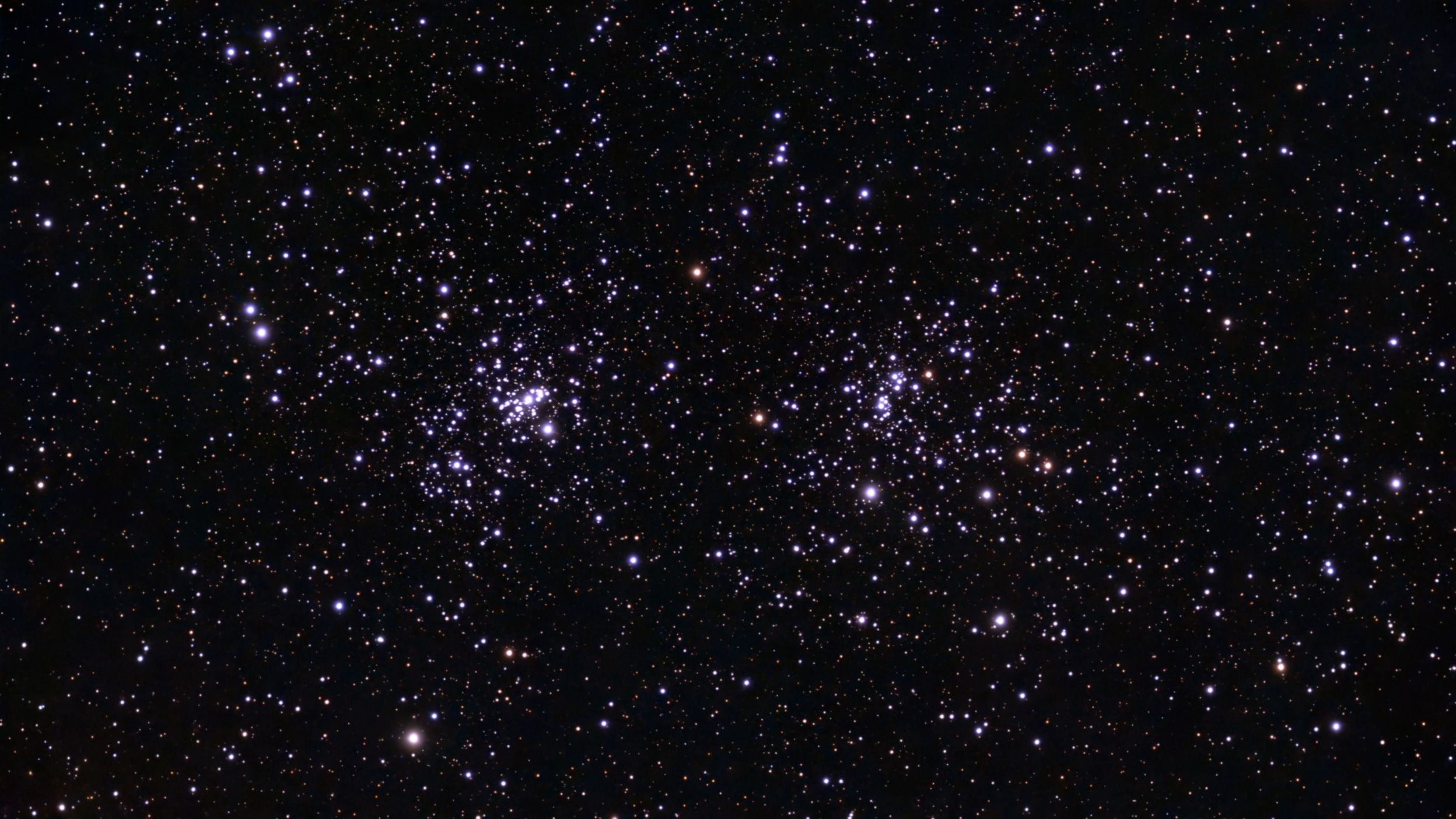
Double Cluster on Christmas Eve 2025
It was a little hazy with below average transparency Christmas Eve night 2025, so before it got too bad, I decided to try and take a mosaic of the Double Cluster, instead of a nebula or galaxy as a target. Taken with my Seestar S50 for 48 minutes using 30 sec sub-images.
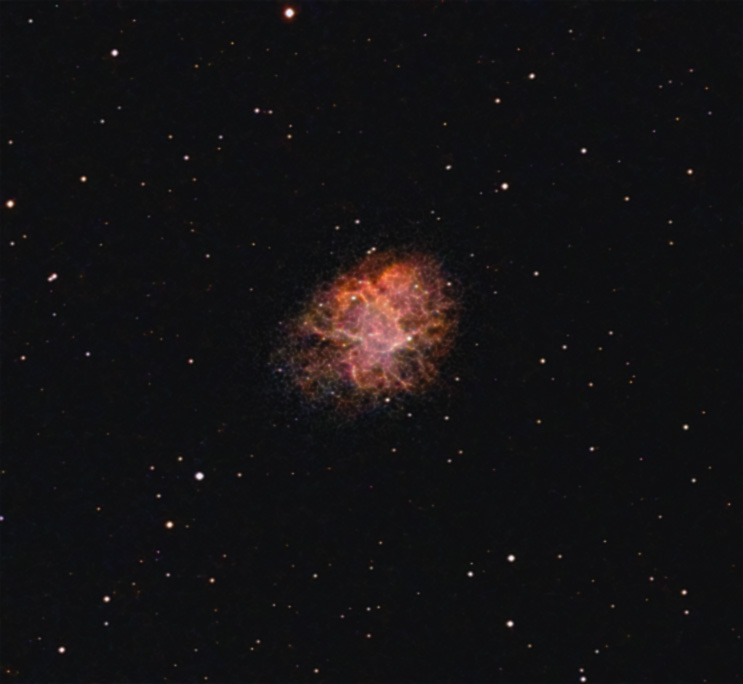
Seestar S50 Image of The Crab Nebula
The Crab Nebula supernova remnant in Taurus. The Chinese, Mayans and others saw It when it blew up in the year 1054. It contains a pulsar (neutron star) at its center.
This was taken with a Seestar S50 Smart Telescope using 30 sec sub-images. It has about an hour of total integration time that finished up just after midnight last night (12:24 A.M., Dec 24, 2025.)
🔭
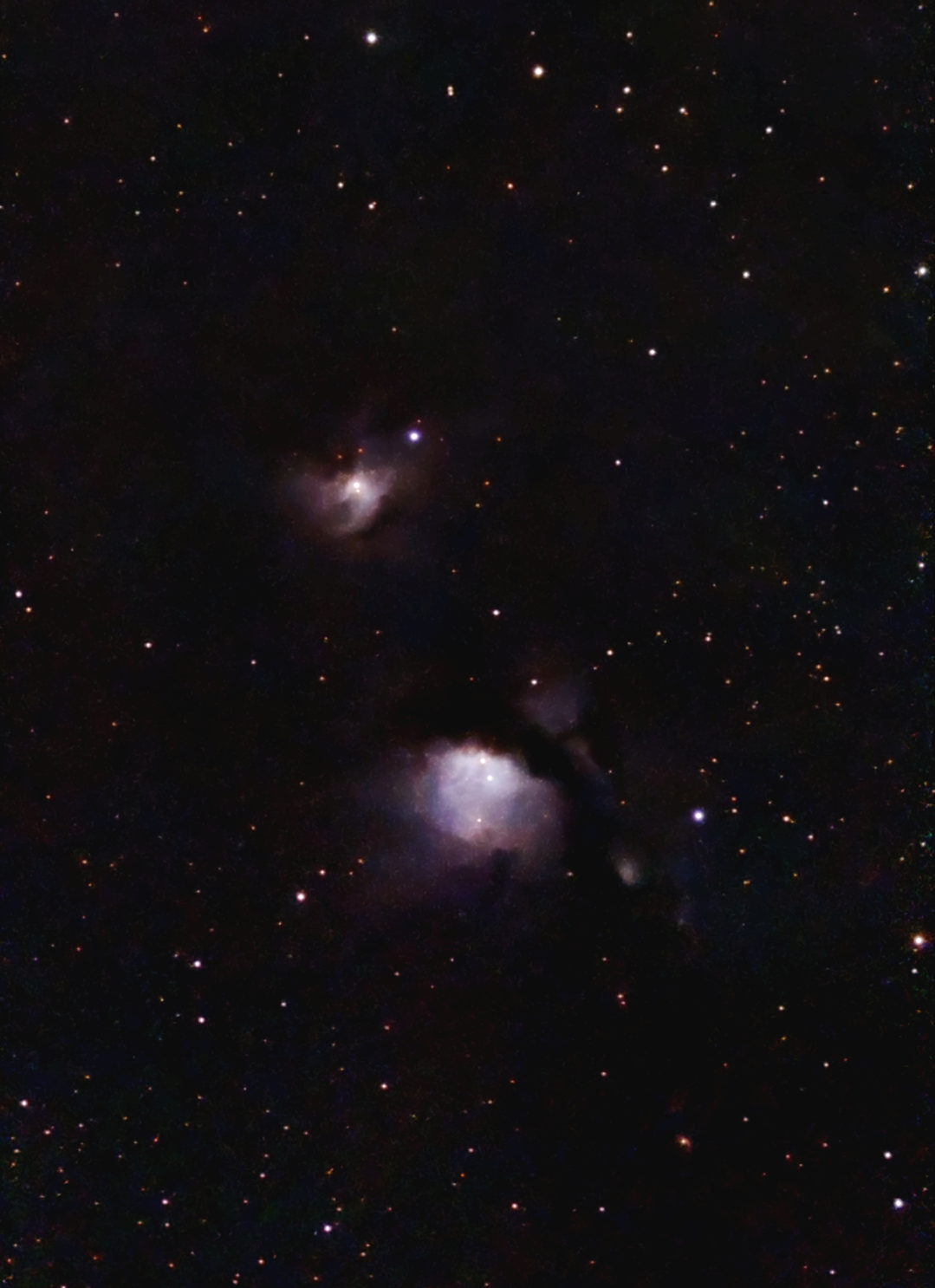
M78 Reflection Nebula in Orion – Dec 23, 2025
It was not the best night in terms of transparency, so I put a lot of time imaging this object thinking I could get past that with enough sub-images. Unfortunately, 2.5 hrs was still not enough under those conditions.
I couldn’t boost this image the way I wanted since it was still pretty noisy. Plus, my flat, which I have since replaced, was faulty with a green blotch on the mid-right side. I think I’ll re-image this one now that I can better calibrate it with a new flat.
M51 Whirlpool Galaxy – Dec 2024 to Dec 2025 Combined data
I took some subs in the second week of Dec 2025 and it was sparse data. So, I copied back to the Seestar all data I had on it since Dec of 2024 and restacked and combined it all together. I came out with 12270 seconds or 3.4 hrs worth:
