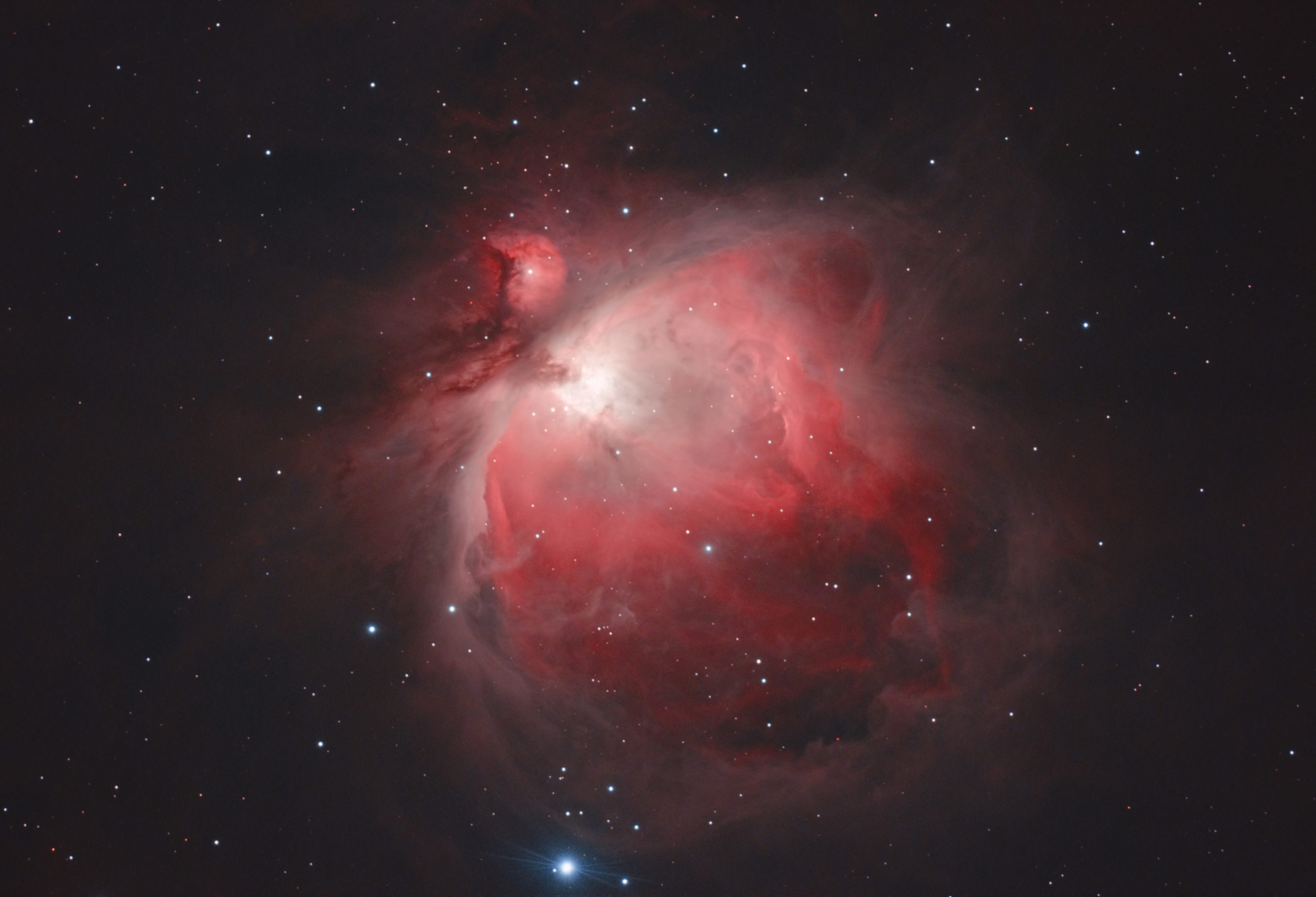
The Great Orion Nebula, M42

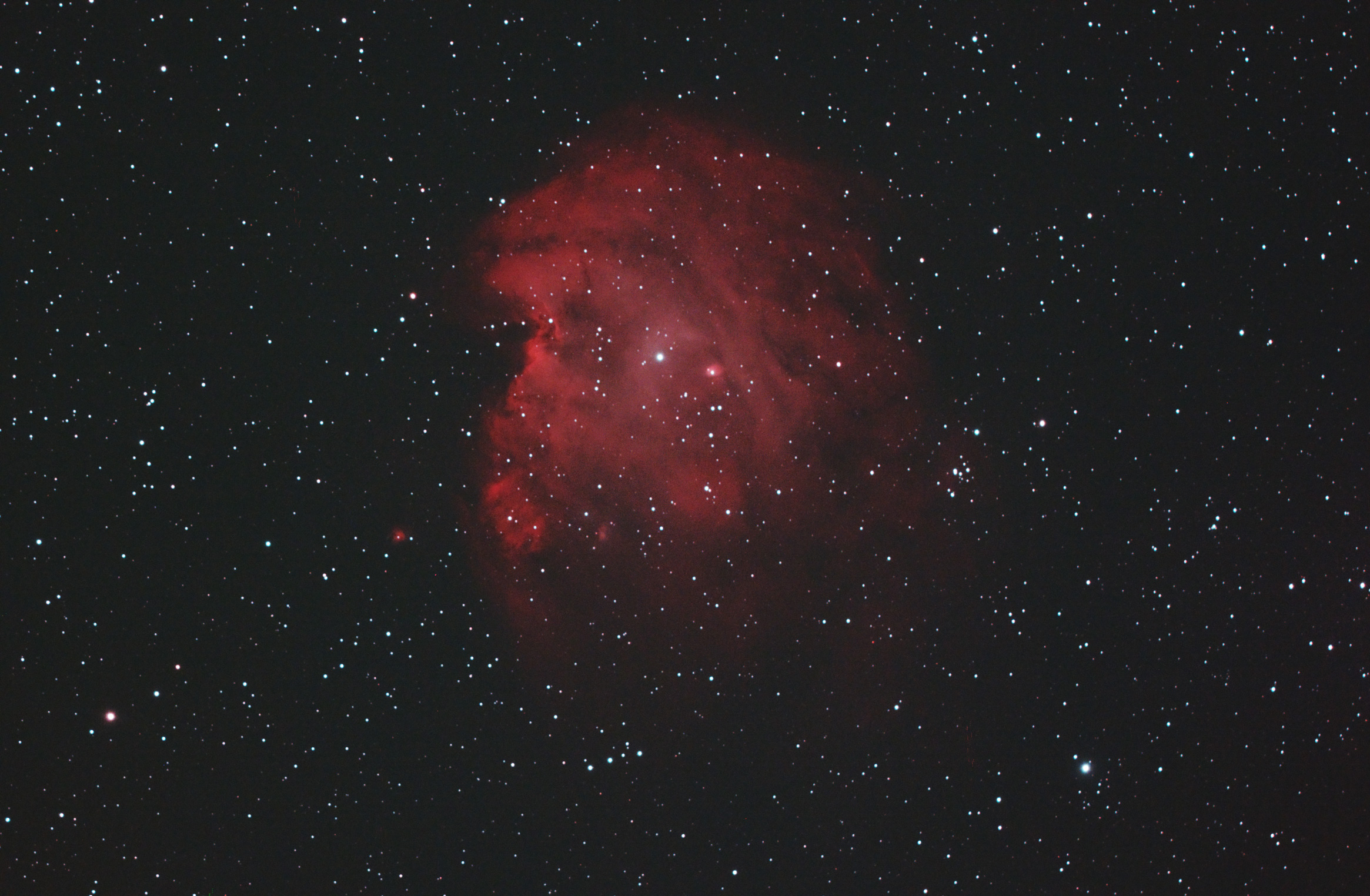

Gain was too high for this project. The over-saturated areas caused column/row artifacts which created dark horizontal bands on either side of the brightest part of the core. It was difficult to deal with in post-processing. Next time, I want to try some low-gain, longer exposures instead to see if the banding problem goes away.
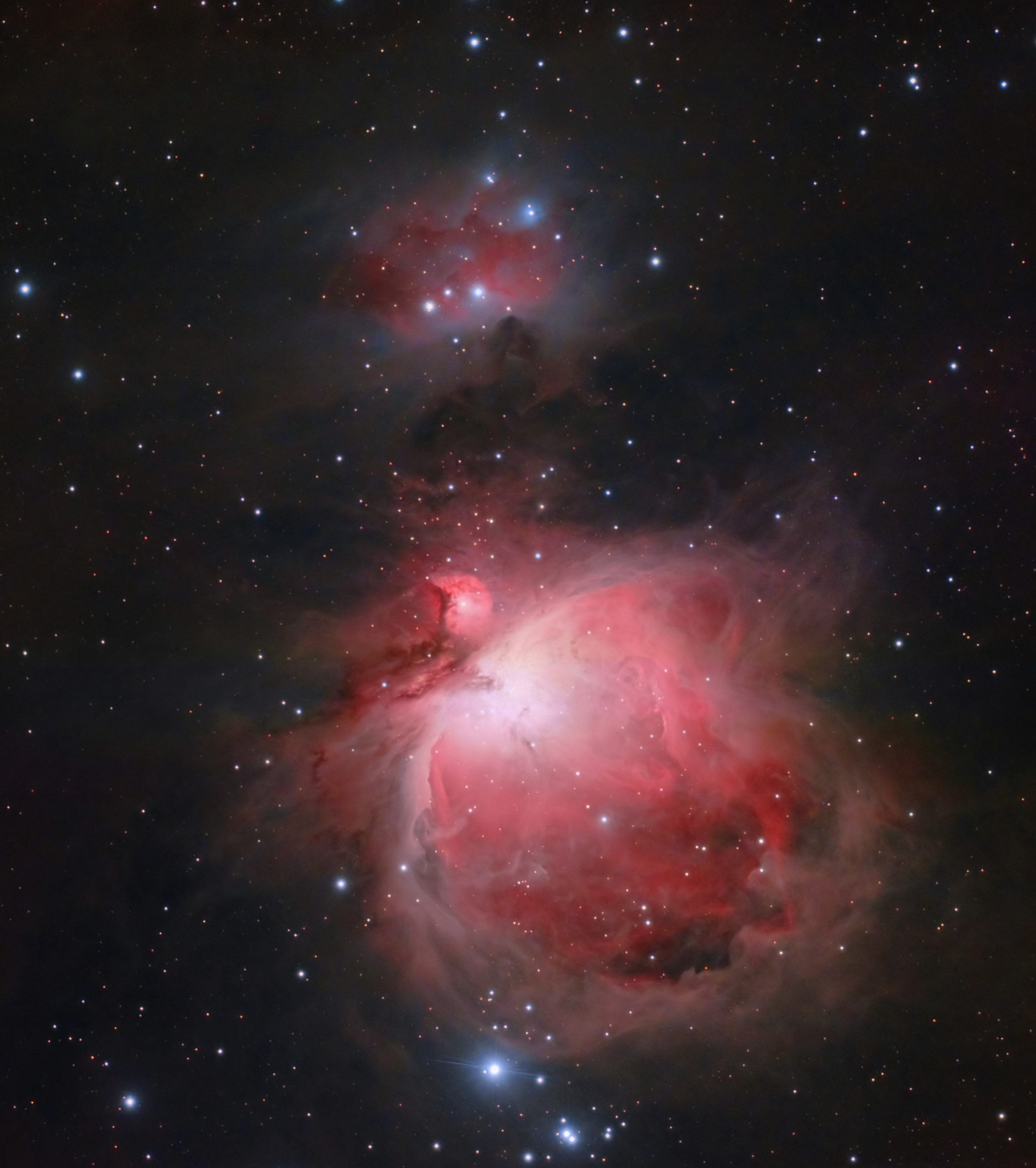
For fun, I combined this image with my M42 project image that included all my best data to date. Here is the results of that mix:

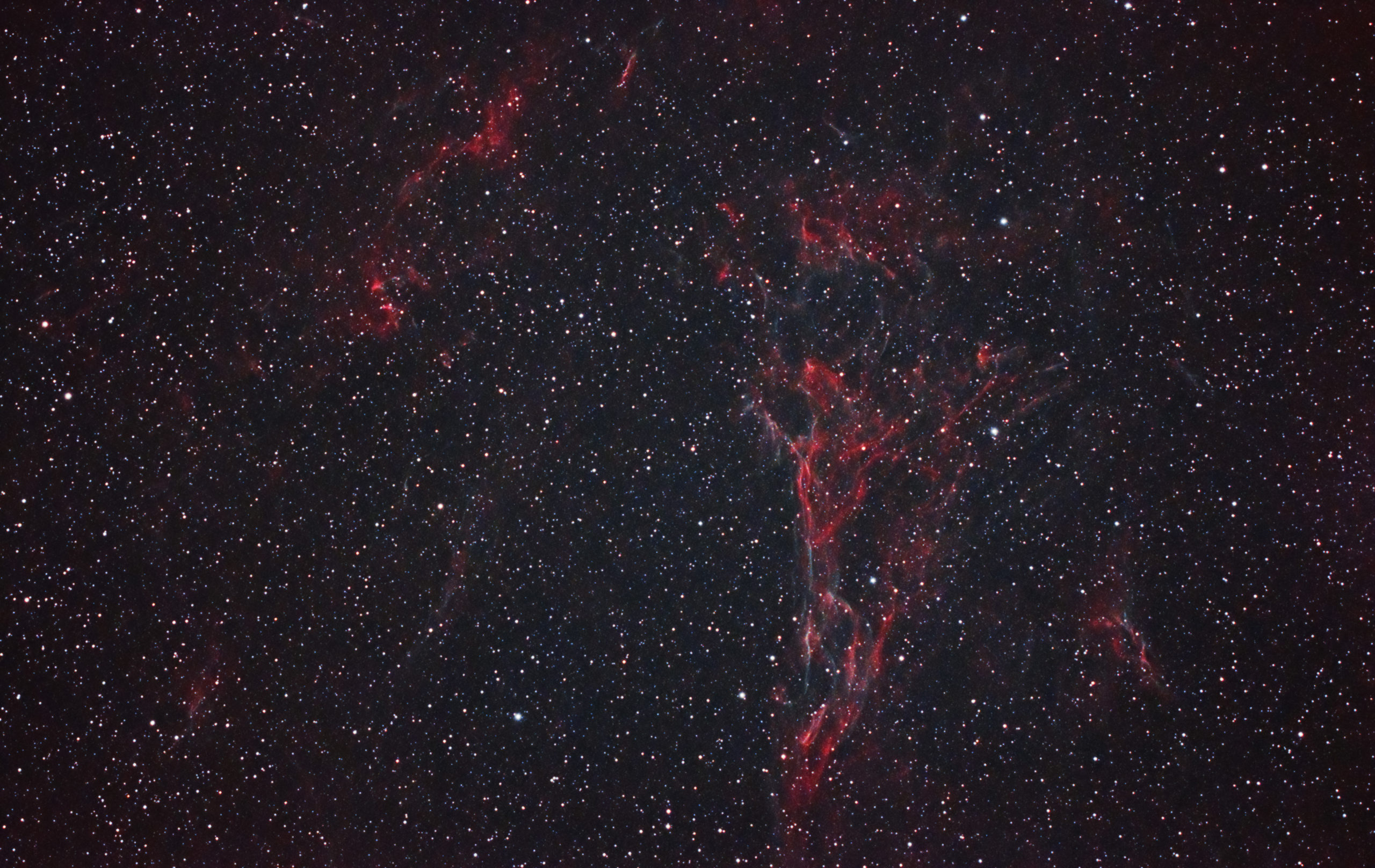
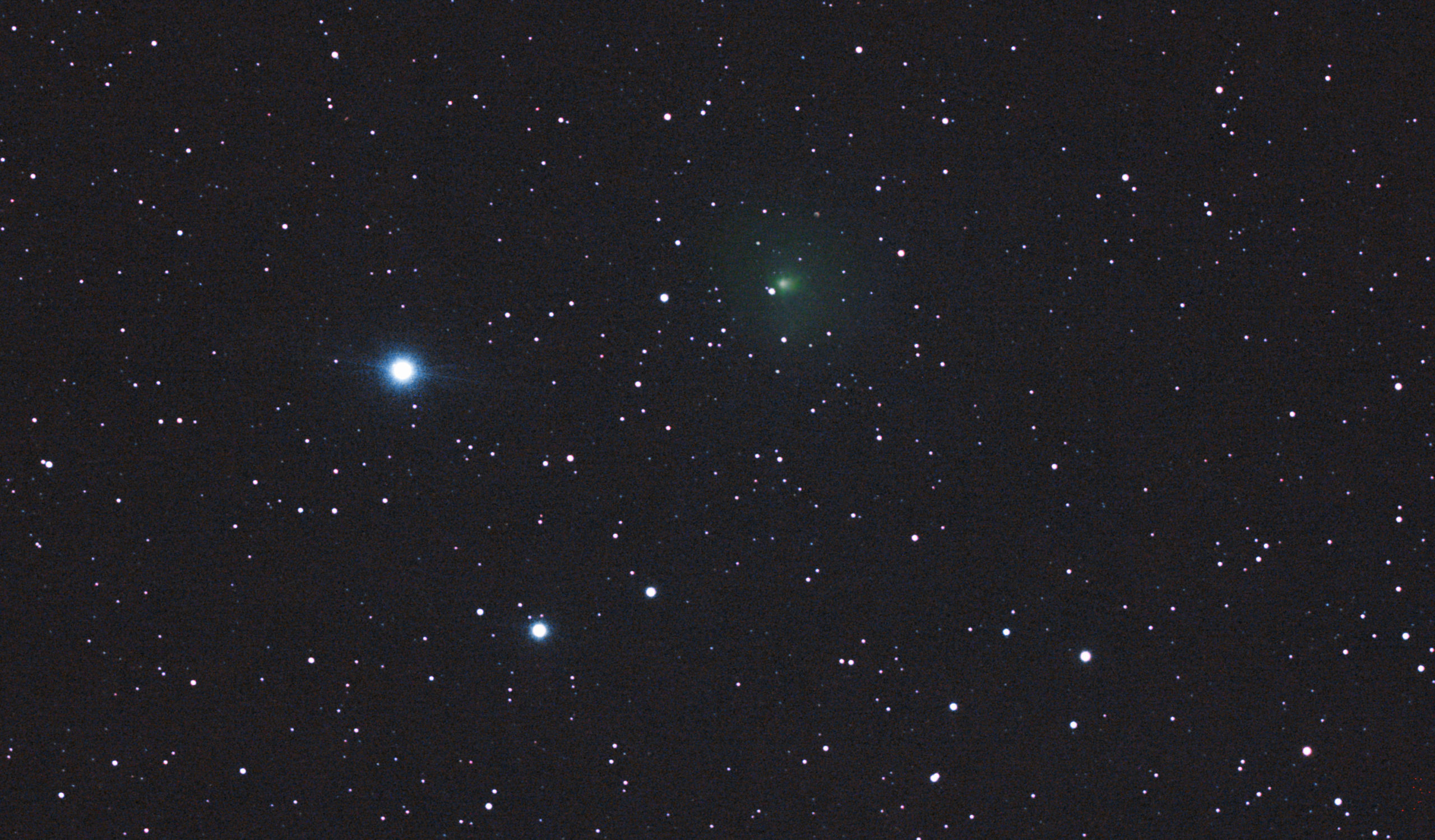
A very dark sky would have made quite a difference for this comet, but to me it is almost too small to be worthy of a trip to the boonies just for this guy. A runt comet. lol
This was taken from a Bortle 7-8 zone in a Metro area with the Optolong L-eNhance filter, my QHY183c camera and Televue TV-85 telescope.
It was moving very fast and exposures of two minutes showed slight trailing. I made a star-streaks version with some 3×5 minute simulated exposures and 4×3 minute simulated exposures. The actual sub-images were 30 seconds and SharpCap was used to LiveStack the simulated exposures. Here it is below:

This was taken before the 1st image, so you can see how far that sucker moved in the intervening time.

“Thor’s Helmet,” aka NGC 2359. First time I ever shot this with any camera. For years I’ve passed this guy up for bigger or better objects nearby, but not on this night. It was a main goal for this night’s imaging session. It did not get high enough to image until 2:00 am here and I took a nap as soon as I started it going. Luckily, I got enough data before sunrise to make a half-decent final image
UPDATE Nov 13, 2020:
More time added with 30×120 sec sub-images at Gain 20, offset 200 to the above. Total time 3 hrs, 22 min.

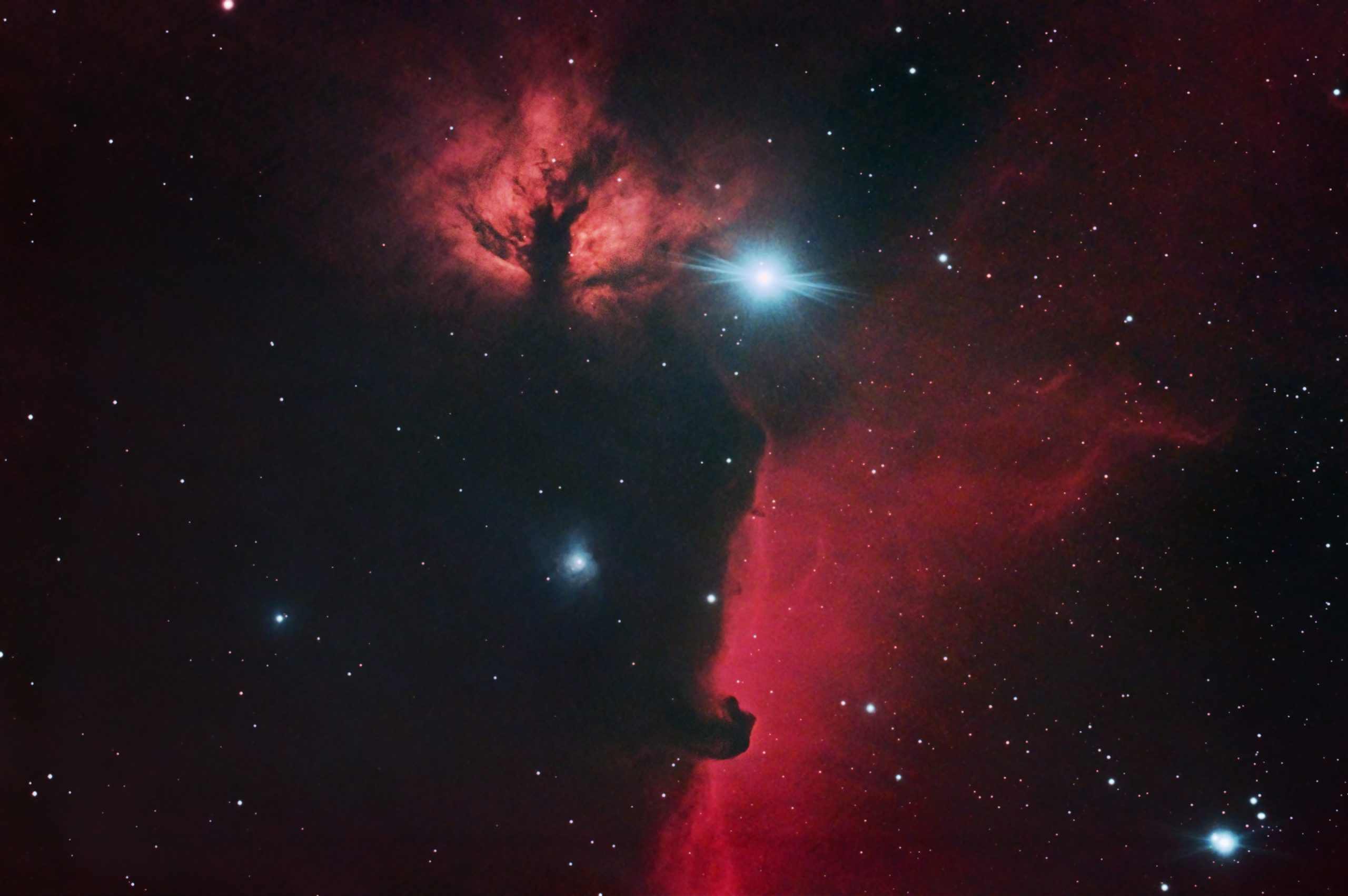
I was killing time while waiting for Thor’s Helmet to get into position, so I shot the Horsehead and Flame Nebula region. I used Fitsworks to crop out the dithering artifacts and set a black point and do the initial color balance. Photoshop and some hue and saturation adjustments to finish it off. Then, one pass with color blotch action and one horizontal banding removal action later and this is how it came out. A few other tweaks were done, too. Not too bad for the minimal effort and a full moon night.