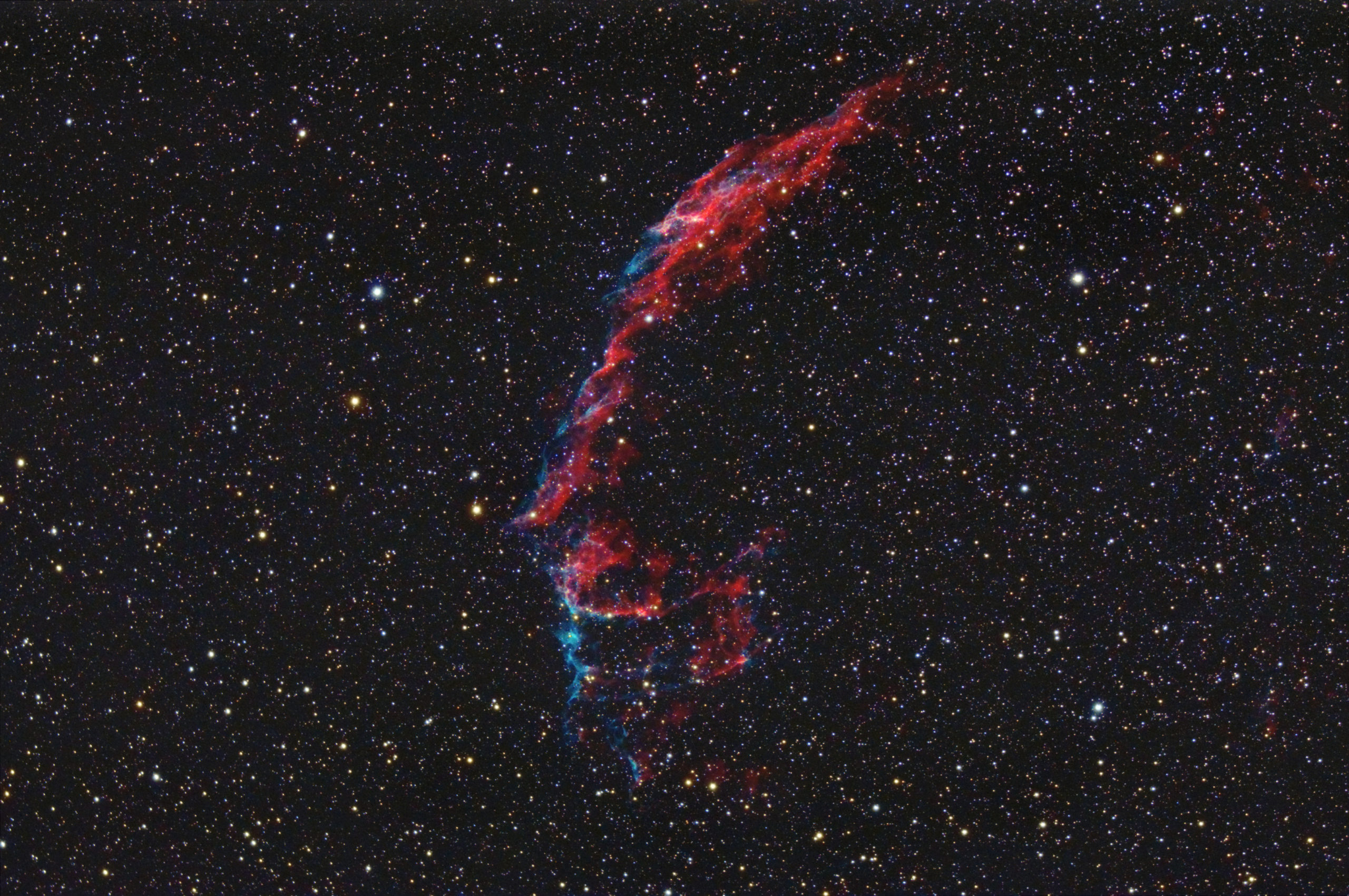
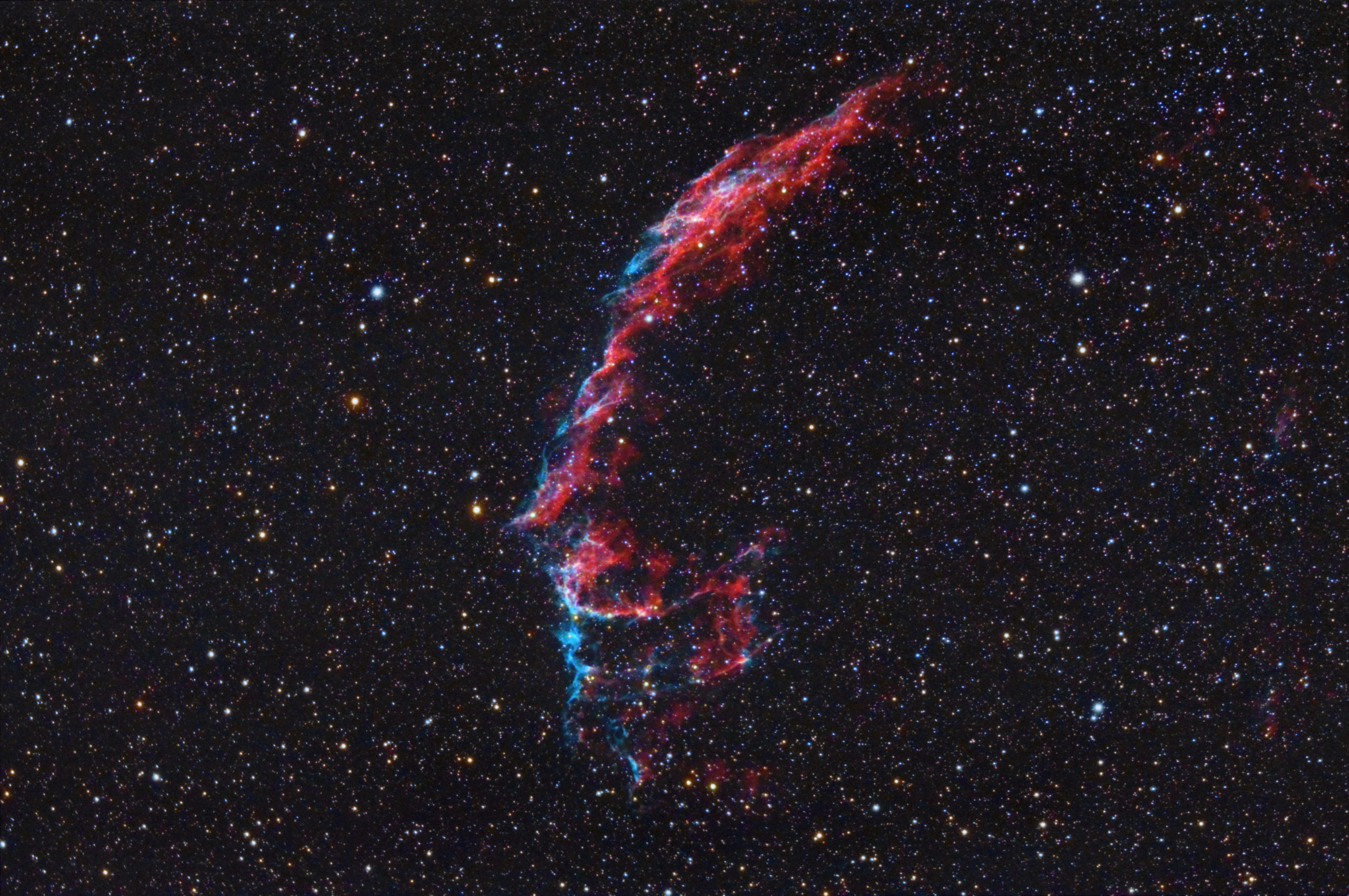
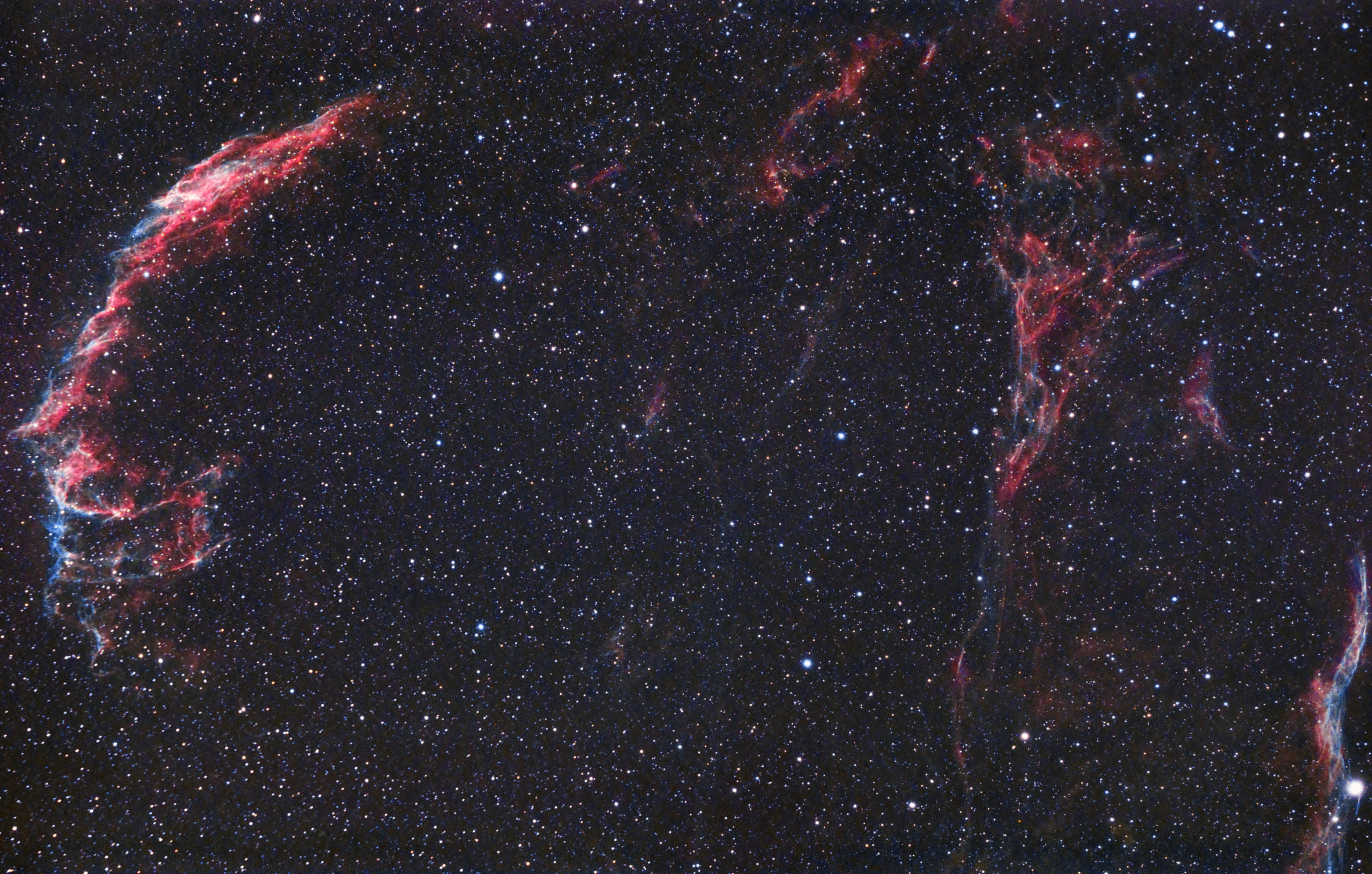
Veil Nebula, Oct 1, 2022. 7 x 240 sec, Gain 11, Offset 100, 65×30 sec, Gain 30, Offset 60, QHY183c at -15C/-20C, UV/IR filter, Astro Tech AT61ED at F/4.8.
I have a new imaging location I tested out for this session. I only shot one object, the Veil nebula, with various exposures to see what the results would be. No filters except a UV/IR (clear) and exposures up to 4 minutes per sub-image.
This is 7×4 minute subs plus 65×30 sec subs for a total of about an hour of integration. I could have almost doubled the 4 min exposures to 8, since the LP was minimal. But, I only had darks up to 4 minutes long and was not going to burn time shooting more, so those were the longest.
Conditions were very good, very transparent, average seeing and not too cold. I was not prepared to stay all night, unfortunately and I should have brought along my insulated coveralls. It got a little chilly just sitting at the computer and not moving.
Update: I had some data of the same object taken from the city using an L-eNhance filter and the same scope, so I mixed a little bit of that in as luminance for just the nebula to see how that would look:
Enhanced with 1 hr of additional L-eNhance Filter Data from a previous session (just the Nebula.)
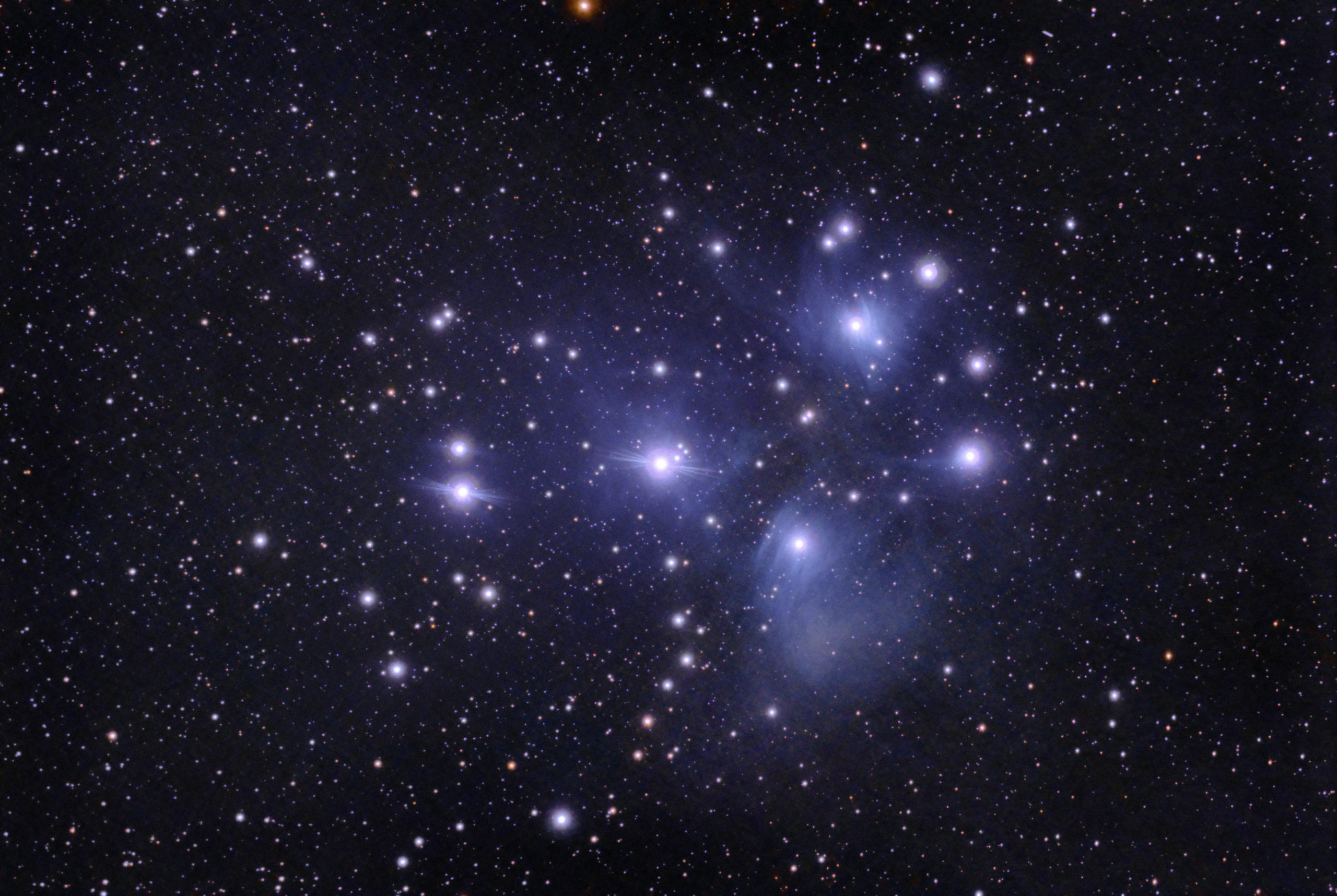
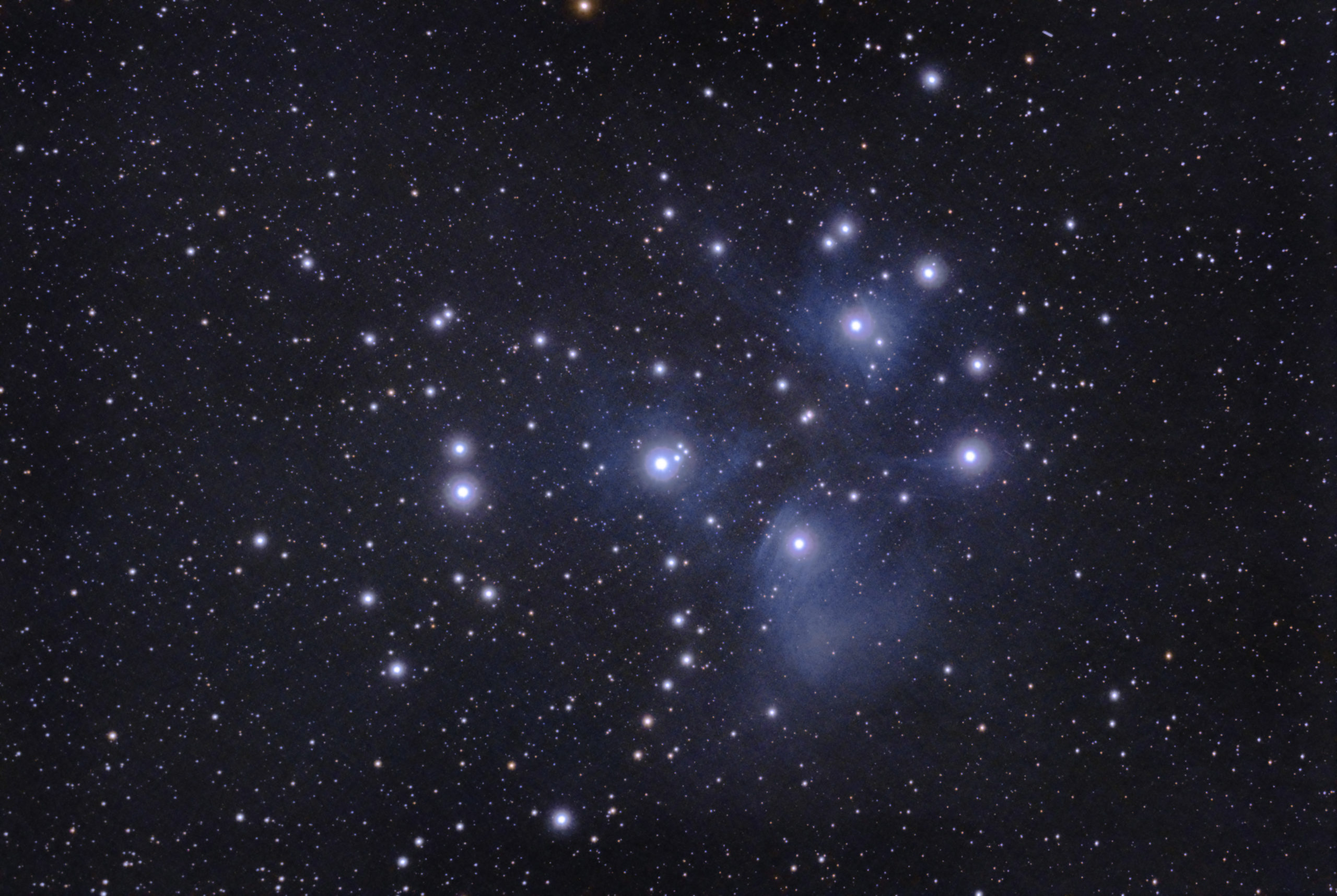
Combined data – 32×180 sec taken with TV-85 and 35×180 sec taken with AT60ED.
RegiStar let me combine two shots, one from Nov 2021 and one from Jan 2021, both taken with my QHY183c camera, but with two different telescopes. Both were from the same location – a very light polluted metro area, using a Baader UHC-S L-Booster filter.
I am pleased that the UHC-S filter has this much response to blue reflection nebula while keeping out the enormous amount of LP that I have to shoot through here in the city.
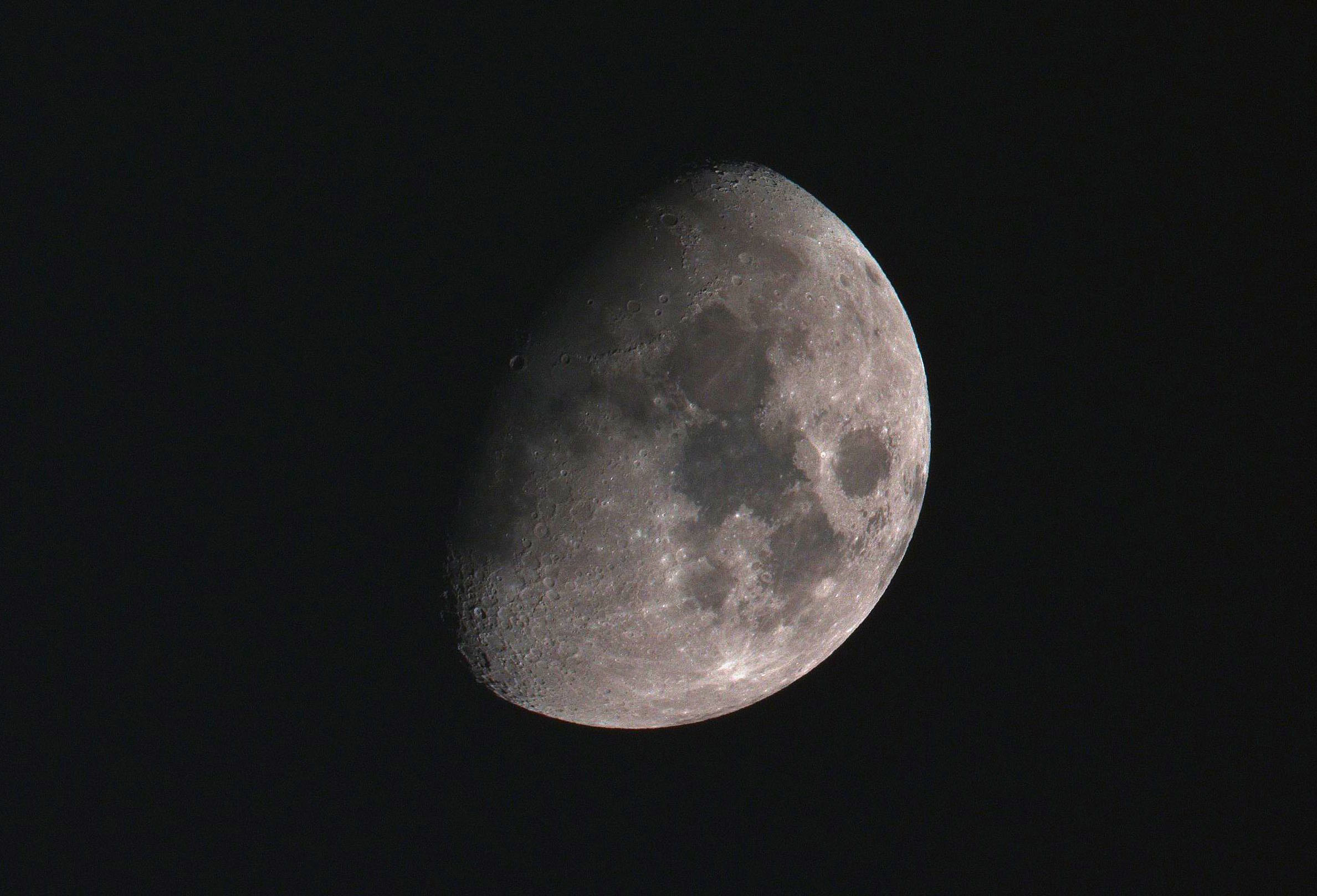
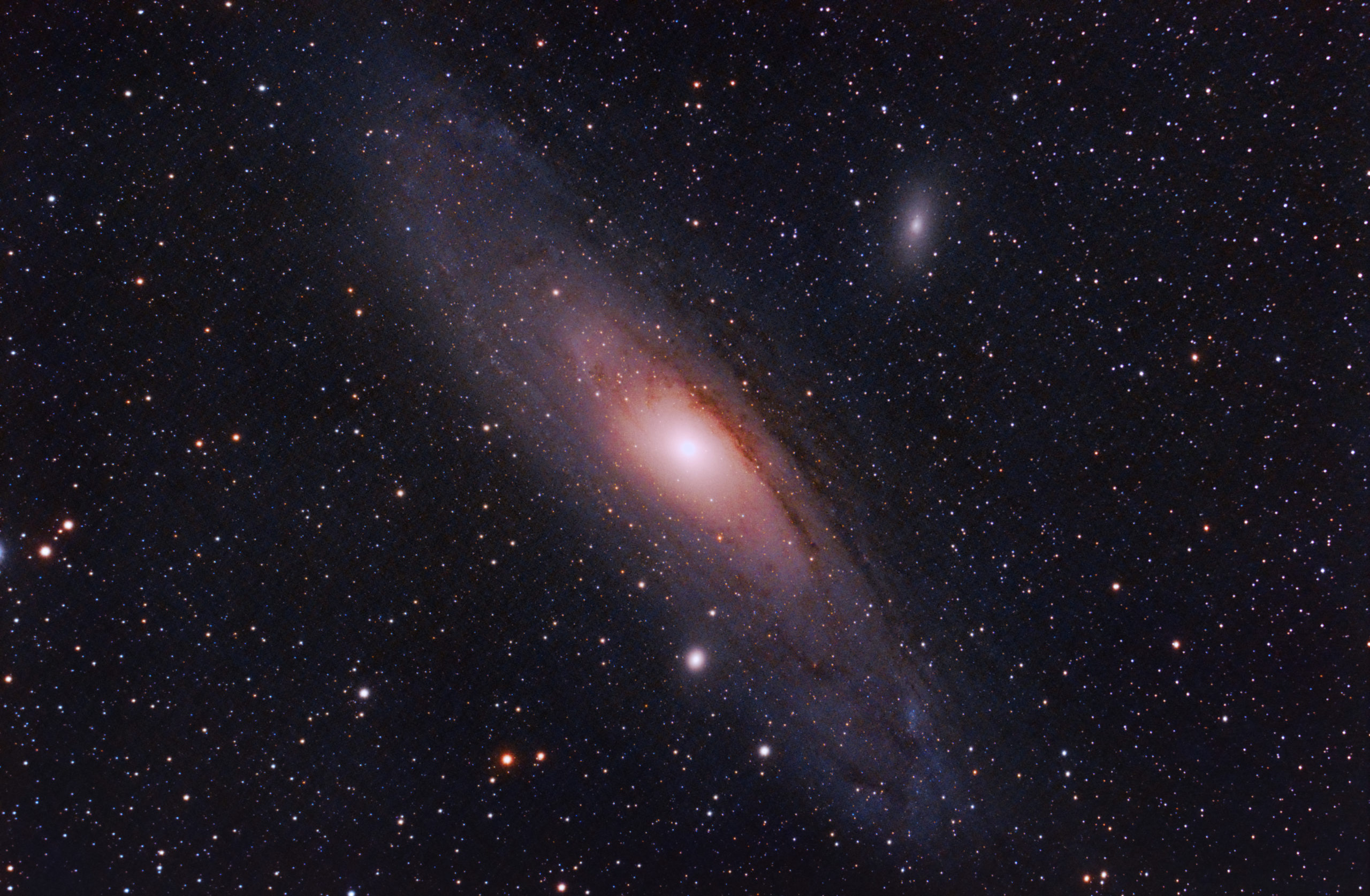
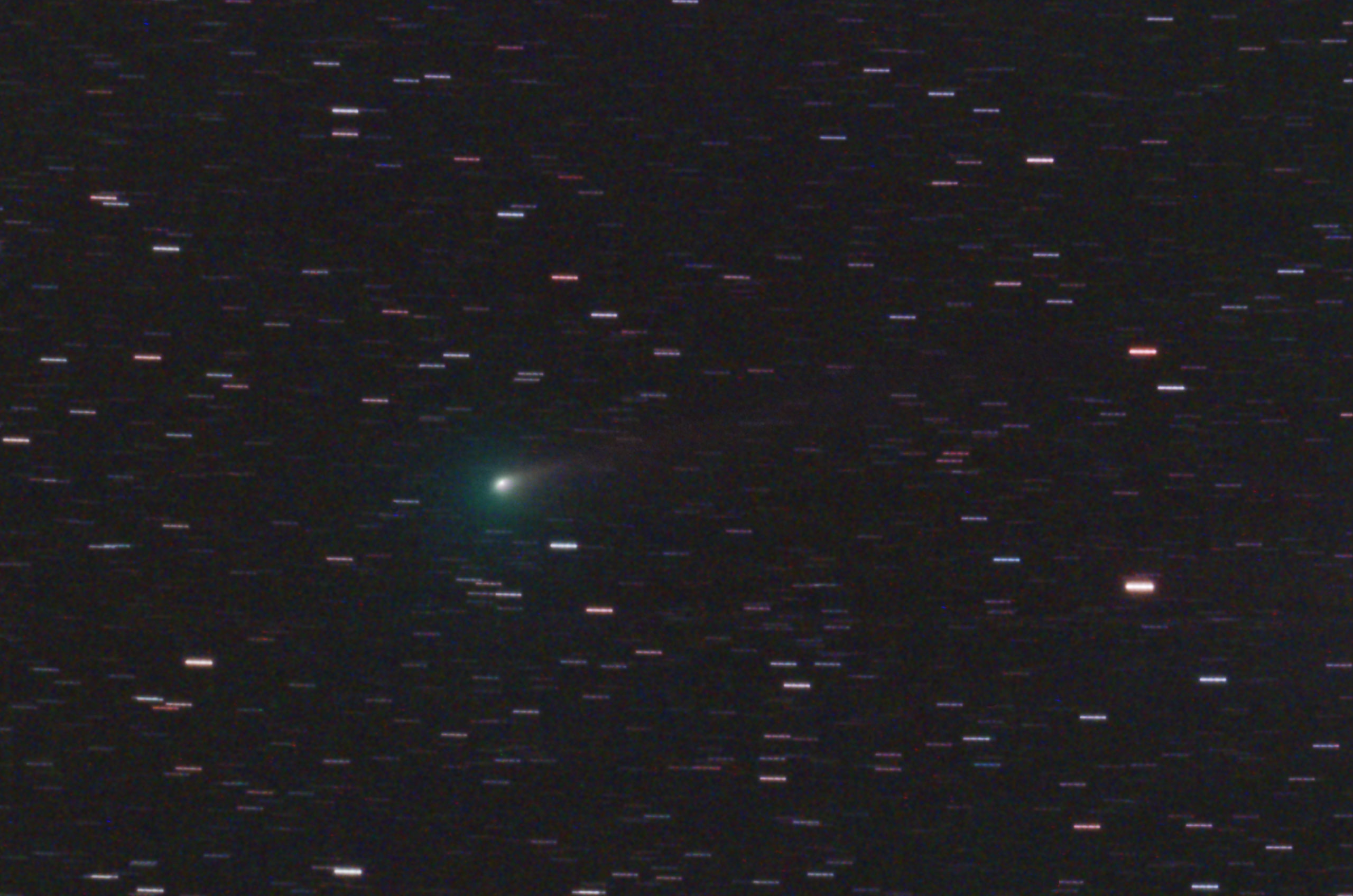
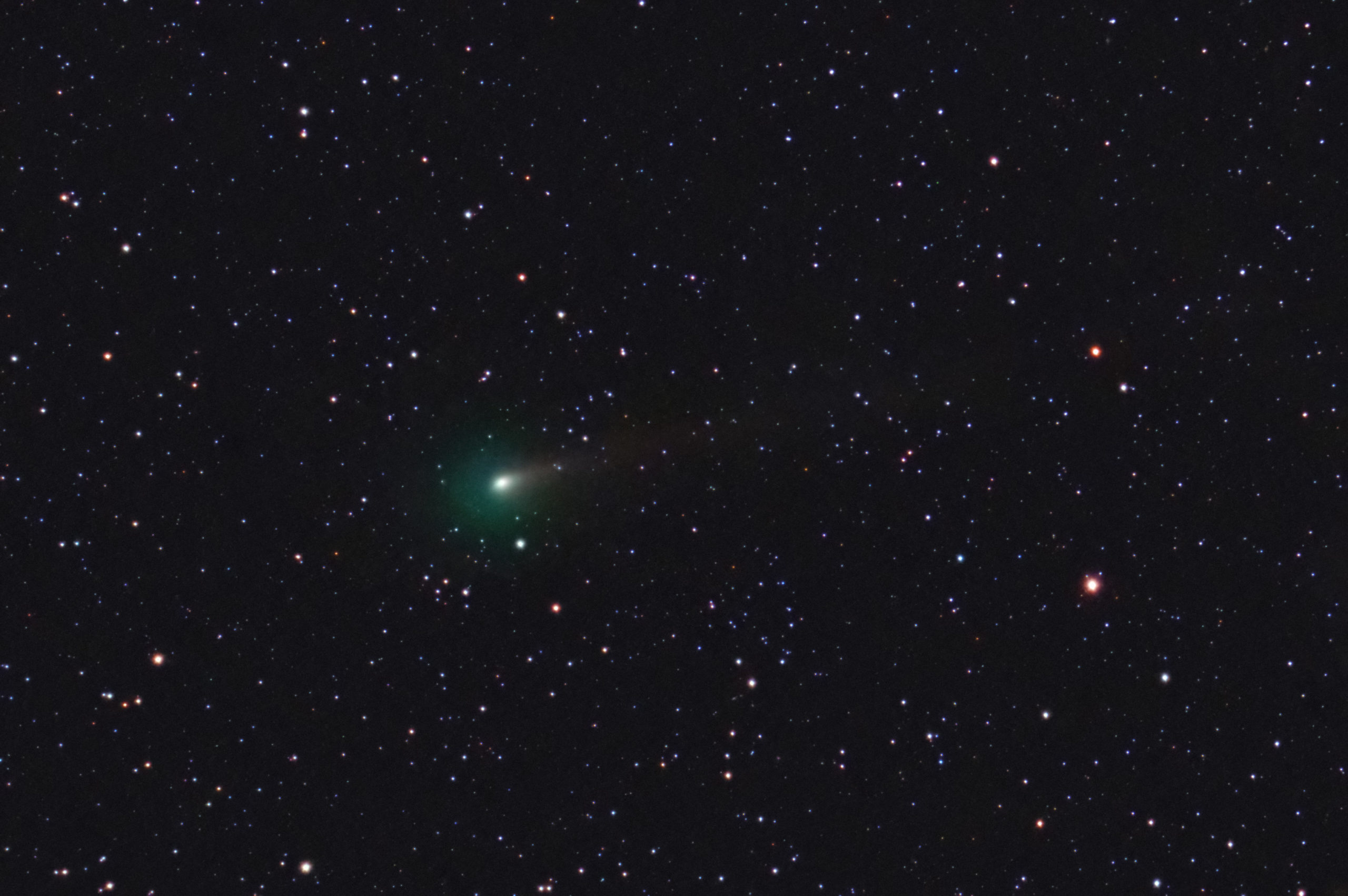
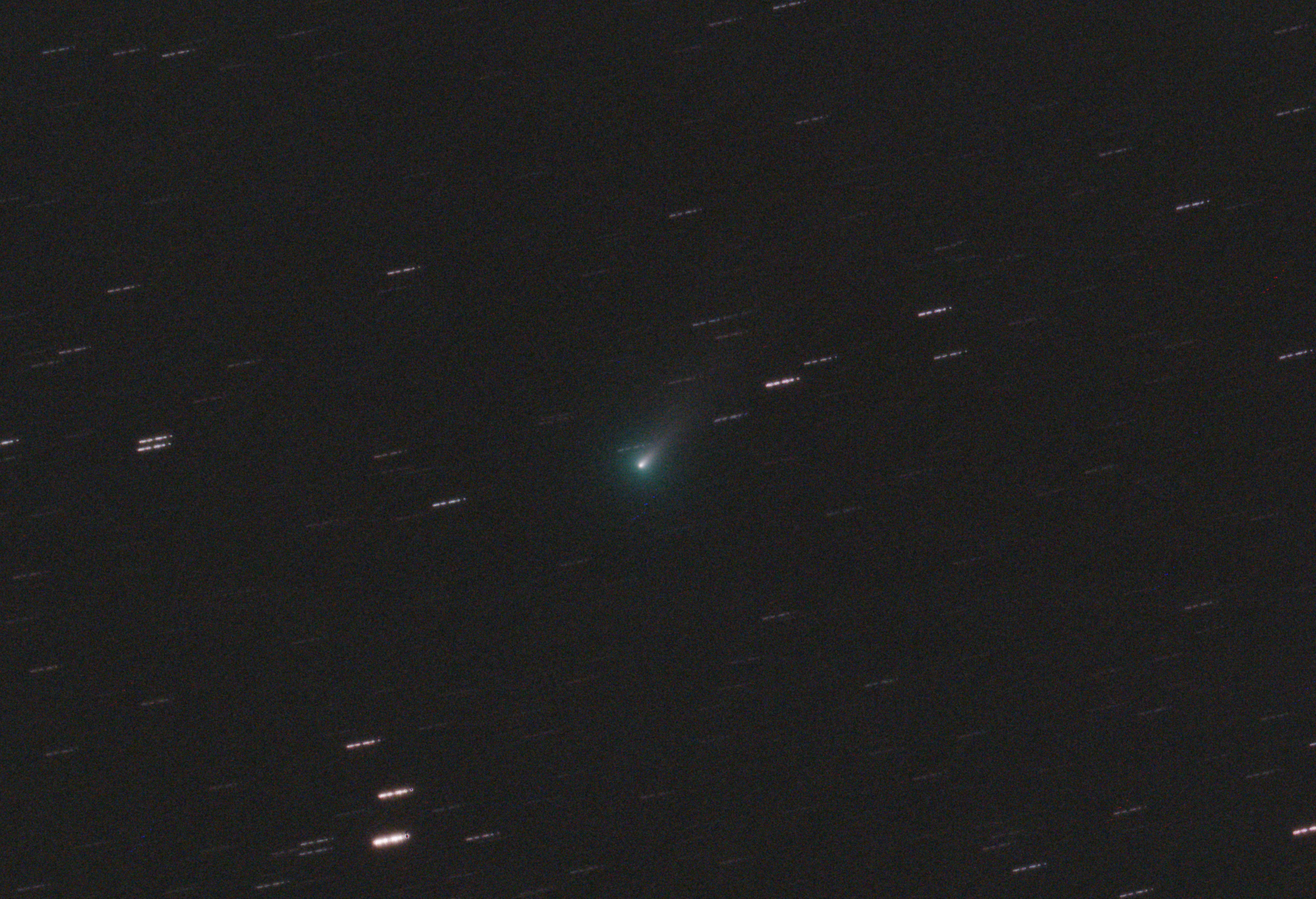
The Moon on Nov 13, 2021. QHY183c, AT60ED at F/4.8.The Pleiades. 35×180 sec, Gain 11, Offset 50, QHY183c at -20C, UHC-S filter, Astro-Tech AT60ED at F/4.8.The Andromeda Galaxy. 50×180 sec, Gain 11, Offset 50, QHY183c at -20C, UHC-S filter, Astro-Tech AT60ED at F/4.8.Comet 67P Churyumov-Gerasimenko, Star Streaks Version. 40×180 sec (comet, 20×180 sec background), Gain 11, Offset 50, QHY183c at -20C, UHC-S filter, Astro-Tech AT60ED at F/4.8.Comet 67P Churyumov-Gerasimenko, Star Freeze Version. 40×180 sec (comet, 20×180 sec background), Gain 11, Offset 50, QHY183c at -20C, UHC-S filter, Astro-Tech AT60ED at F/4.8.C/2021-A1 (Leonard). 24×180 sec, Gain 11, Offset 50, QHY183c at -20C, UHC-S filter, Astro-Tech AT60ED at F/4.8.C/2021-A1 (Leonard). 24×180 sec, Gain 11, Offset 50, QHY183c at -20C, UHC-S filter, Astro-Tech AT60ED at F/4.8. Star Freeze version.
Great weather and very transparent skies for this session. I started out with the goal of getting two comets, but since they didn’t get into position until later, I started off with the Moon, then M45 and M31. I also shot Pickering’s Triangle, part of the Veil Nebula complex, but didn’t get enough subs to do it any justice.
The comets were small, but interesting with long tails instead of being just puff balls. 67P has a really long tail in images taken by others. I was glad to get as much as I got shooting from the middle of town with all the LP.
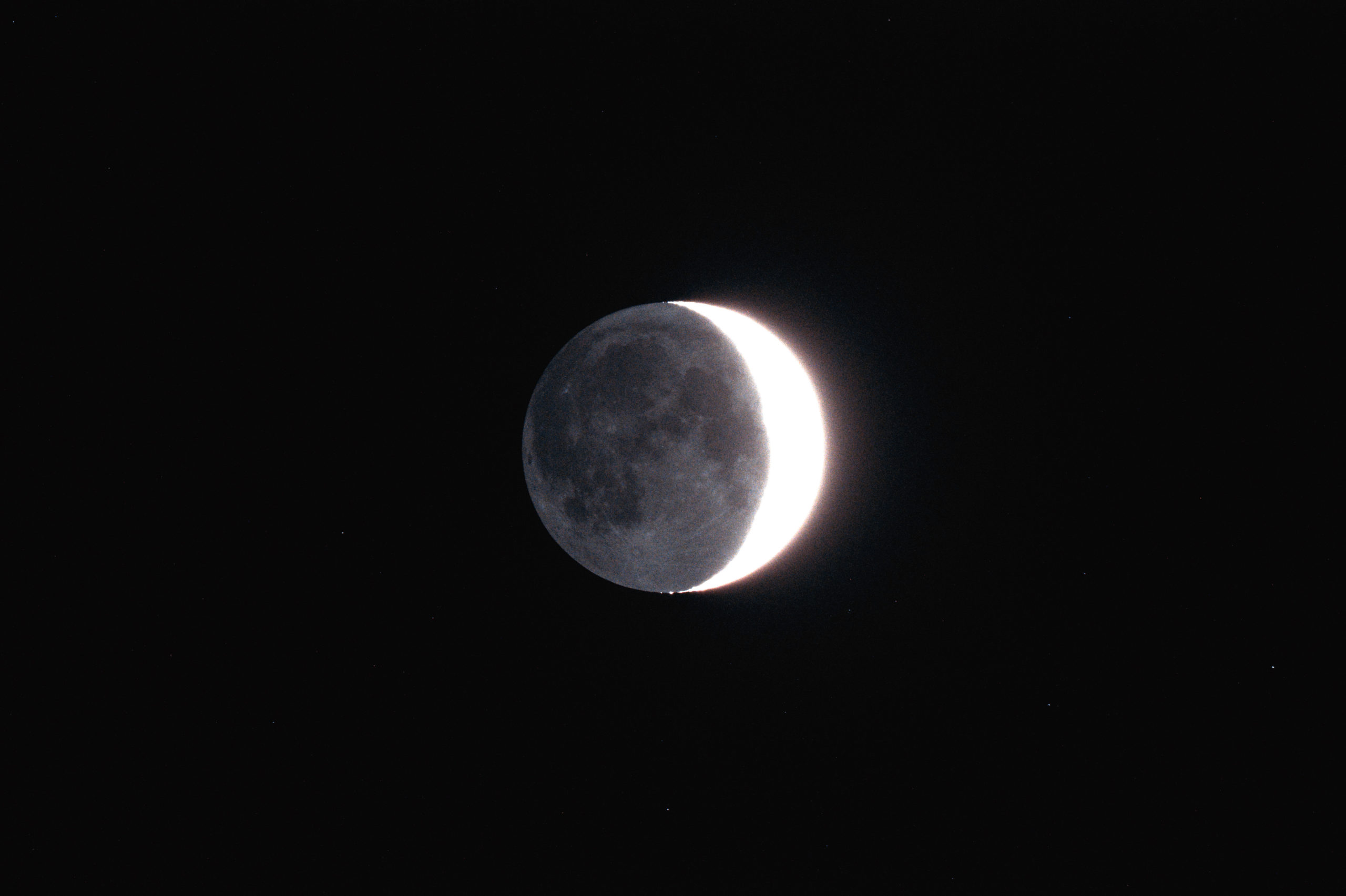
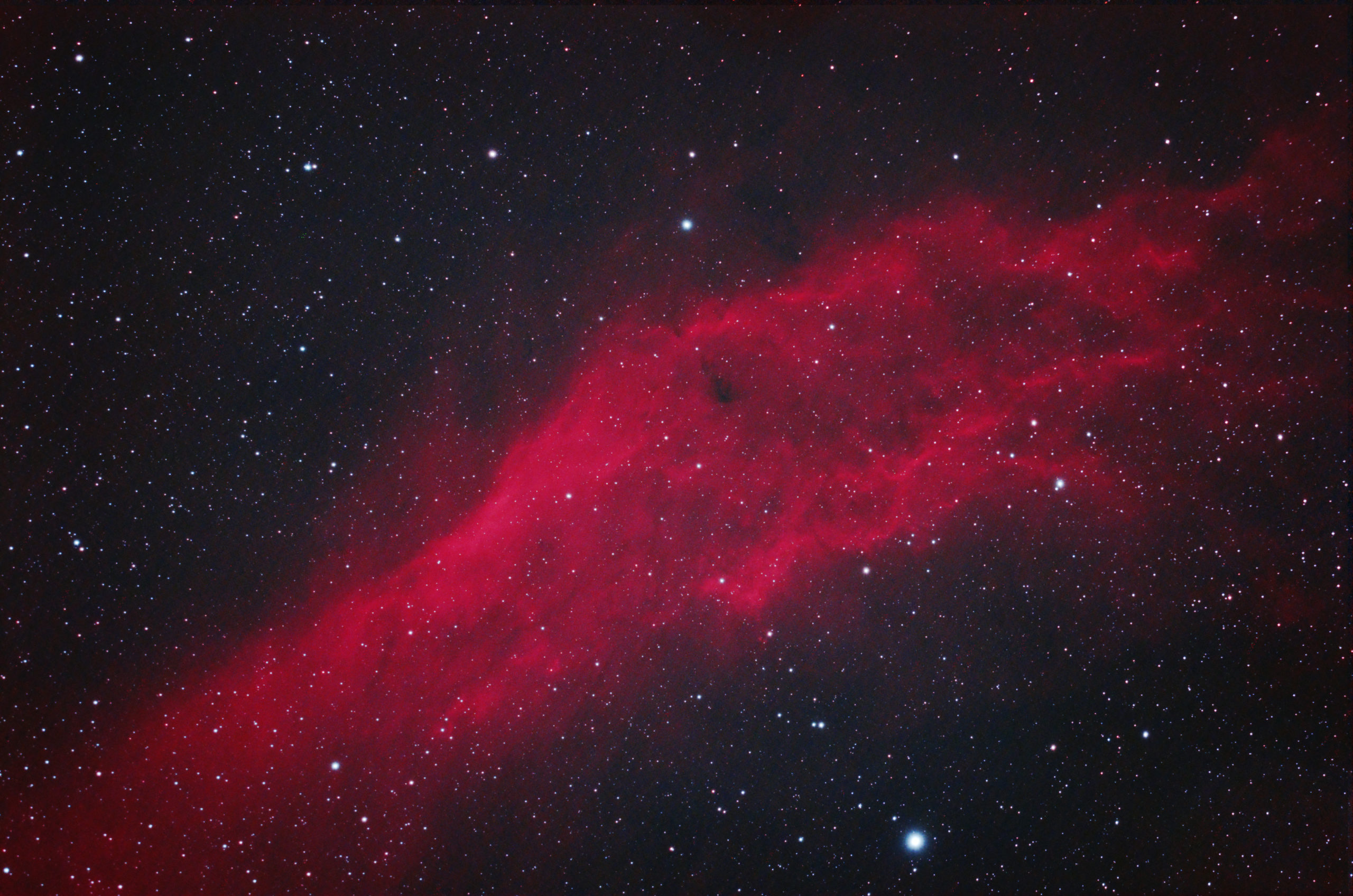
Earthshine from the Moon on Nov 7, 2021. An overexposed thin crescent and Earthshine from a 2 to 3-days old moon. 2 sec at Gain 42, Astro-Tech AT60ED at F/4.8, QHY183c at -15C, Optolong L-eNhance filter.Witch’s Broom – 20 x 180 sec at Gain 11, Offset 50, QHY-183C at -15C, Optolong L-eNhance filter, Astro-Tech AT60ED at F/4.8.California Nebula – 51 x 180 sec at Gain 11, Offset 50, QHY-183C at -15C, Optolong L-eNhance filter, Astro-Tech AT60ED at F/4.8.
From last night, Sunday, Nov 7, 2021 local time.
I stayed out till almost 1:00 AM shooting this image of the California Nebula. It is 2.55 hours of 3 minute sub-images (51×180 sec) calibrated and stacked in SharpCap 3.2 LiveStacking. Taken with a QHY183c camera at -15C cooling, an Astro-Tech AT60ED at F/4.8 and an Optolong L-eNhance filter. Metro area location under heavy light pollution, but clear and transparent skies.
At the beginning of the session, the moon was beautiful next to Venus, but I could not fit them in the same field of view. So, I decided to catch the Earthshine before it got too low.
The Witch’s Broom was taken to kill time while waiting for the California Nebula to get into position.
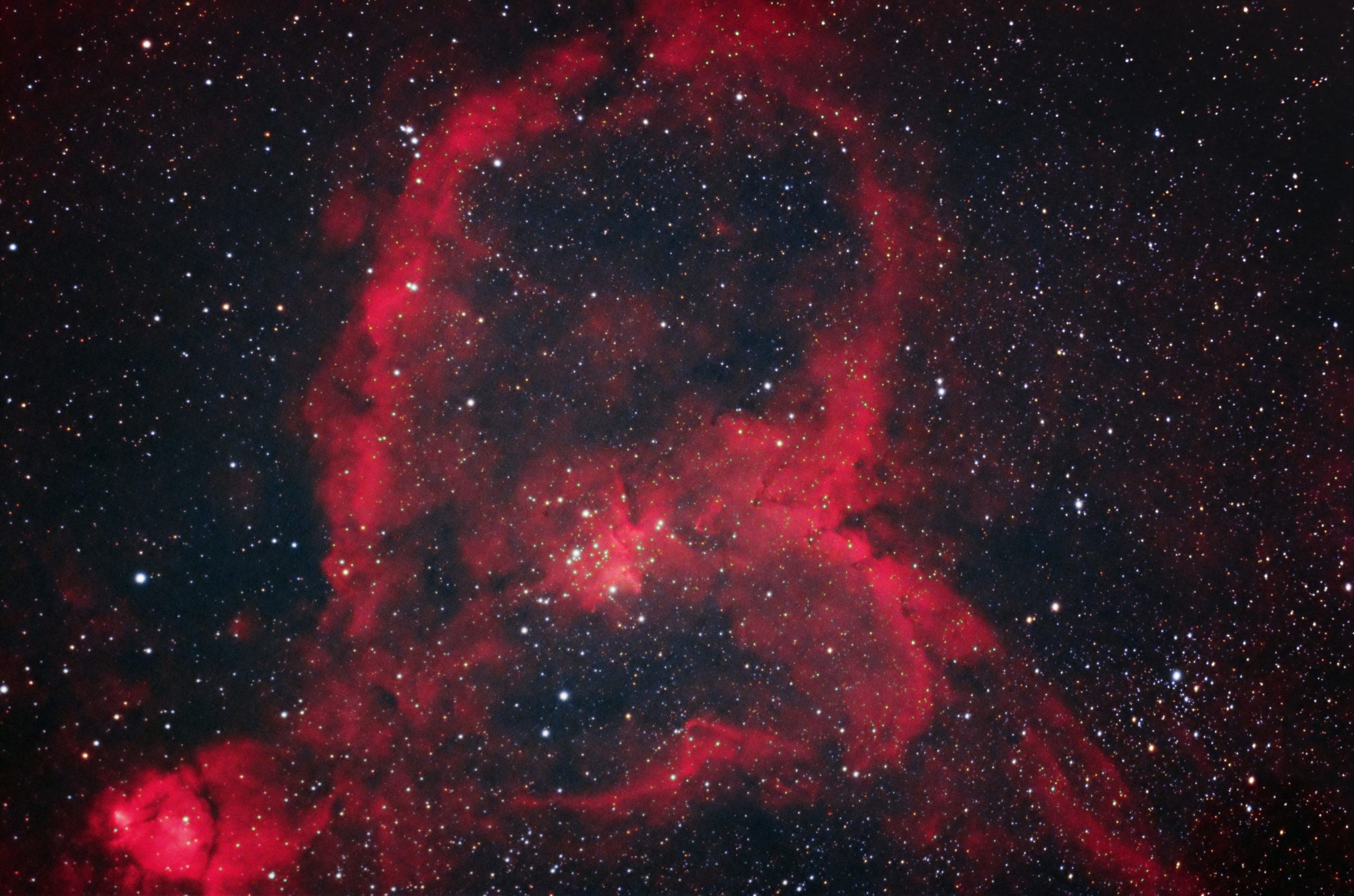
The Heart Nebula. 26×180 sec, QHY183c at -15C, Gain 11, Offset 50, Astro-Tech AT60ED at F/4.8, Optolong L-eNhance filter. Taken from a metro-area under heavy LP on Sep 26, 2021.
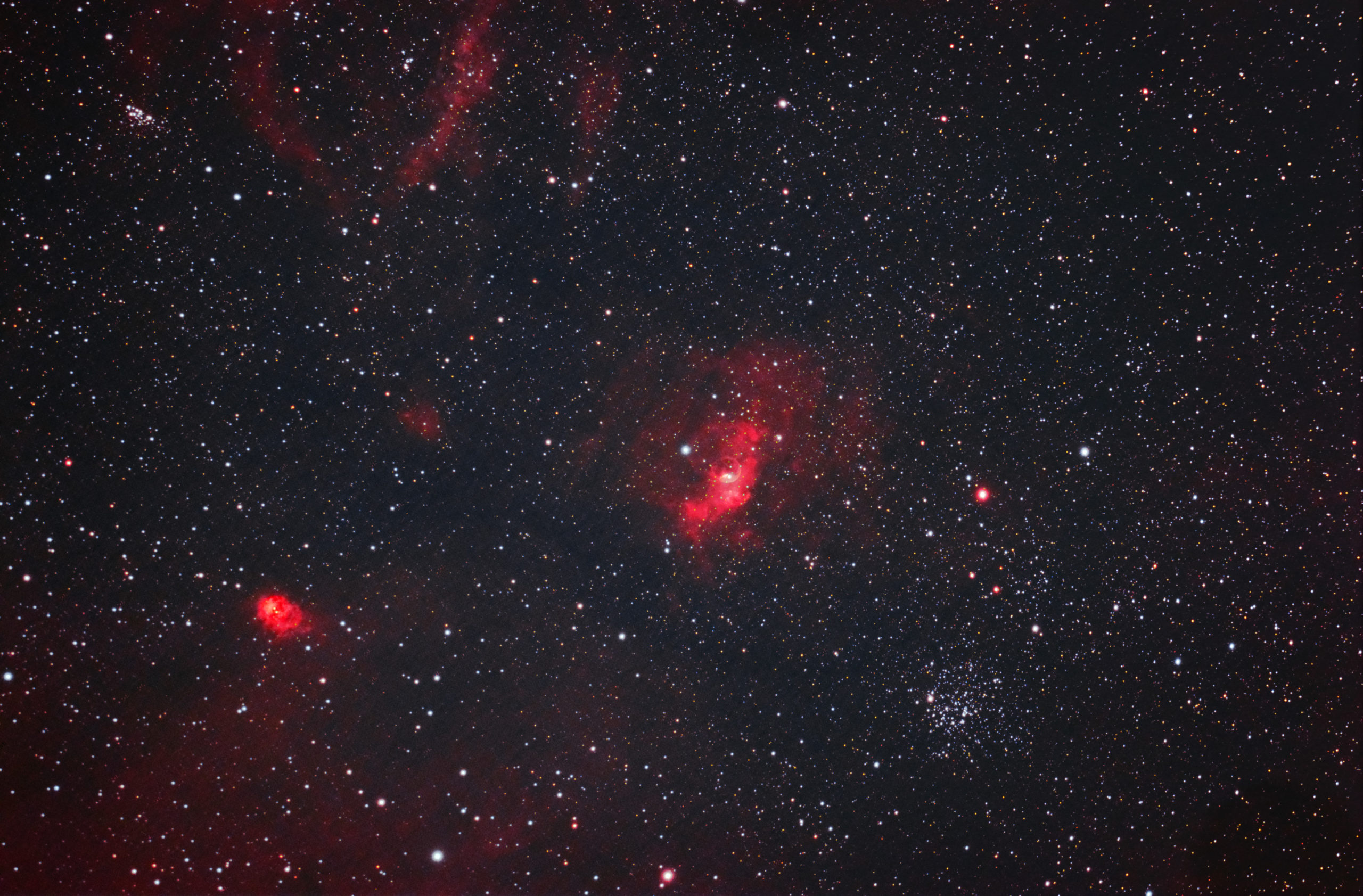
The Bubble Nebula and Friends. 42×180 sec, QHY183c at -15C, Gain 11, Offset 50, Astro-Tech AT60ED at F/4.8, Optolong L-eNhance filter. Taken from a metro-area under heavy LP on Sep 26, 2021.
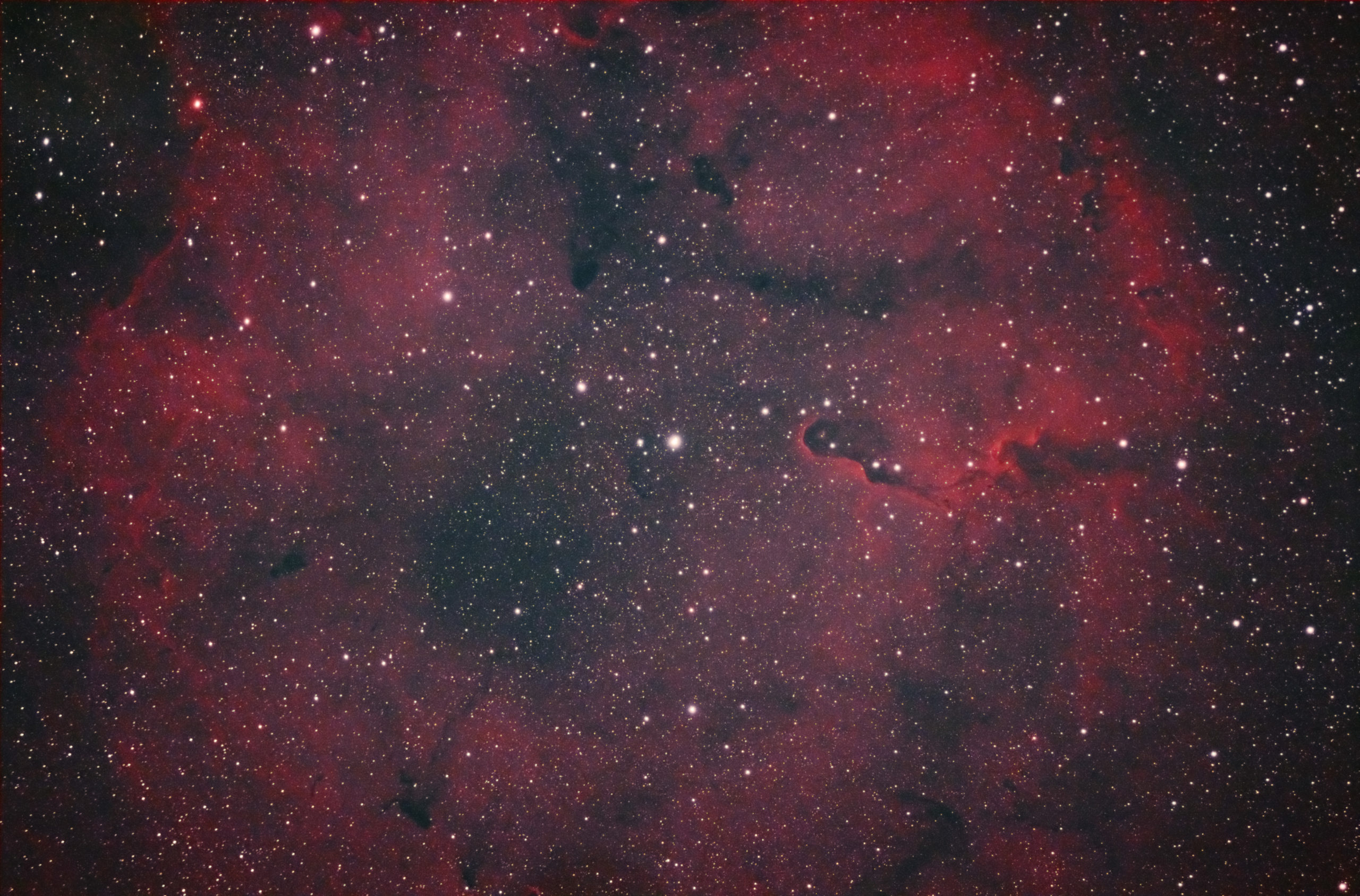
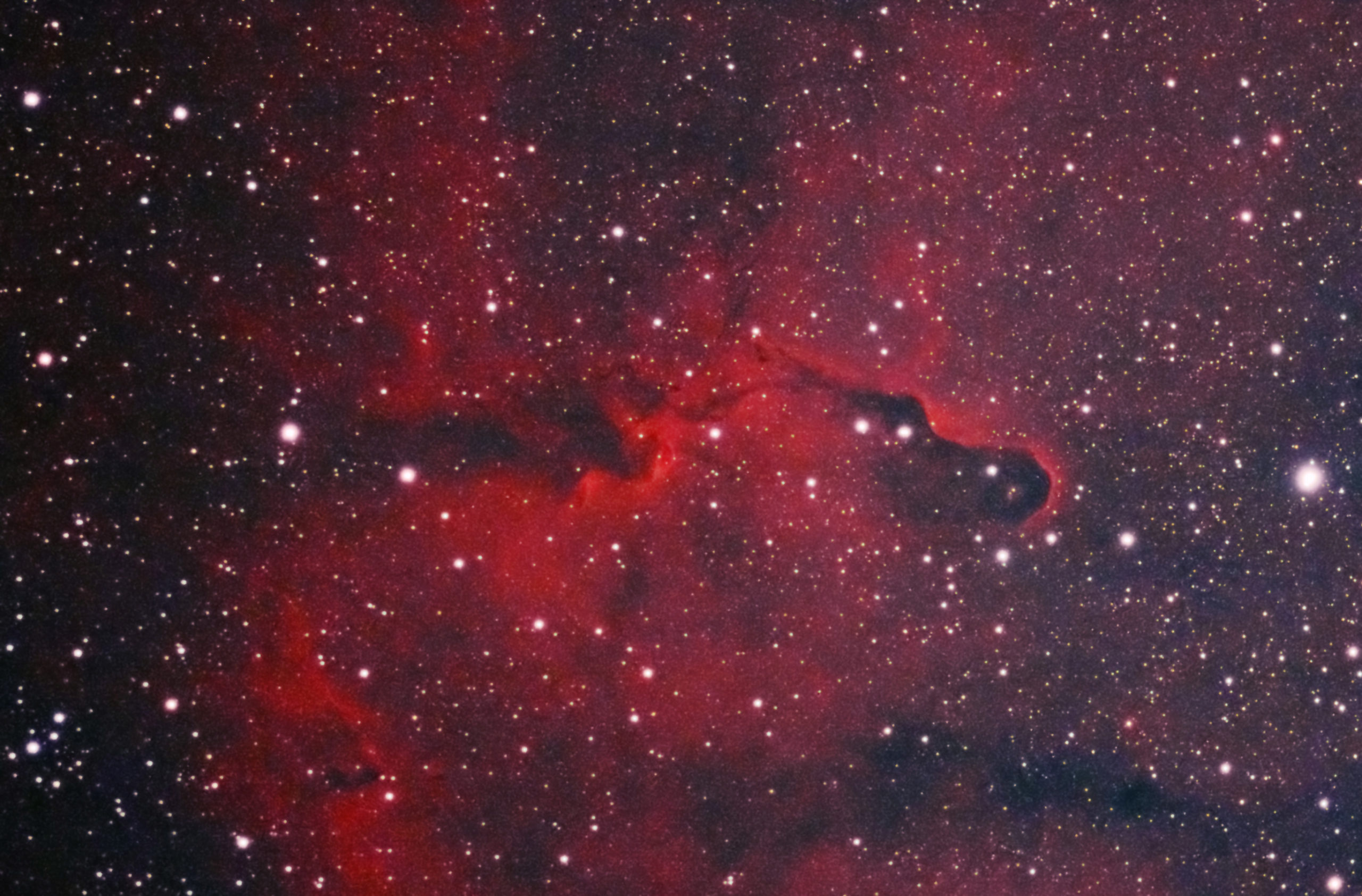
IC 1396 with the Elephant’s Trunk Nebula. 30×180 sec, QHY183c at -15C, Gain 11, Offset 50, Astro-Tech AT60ED at F/4.8, Optolong L-eNhance filter. Taken from a metro-area under heavy LP on Sep 26, 2021Detail View – IC 1396 with the Elephant’s Trunk Nebula (IC 13996A.) 30×180 sec, QHY183c at -15C, Gain 11, Offset 50, Astro-Tech AT60ED at F/4.8, Optolong L-eNhance filter.
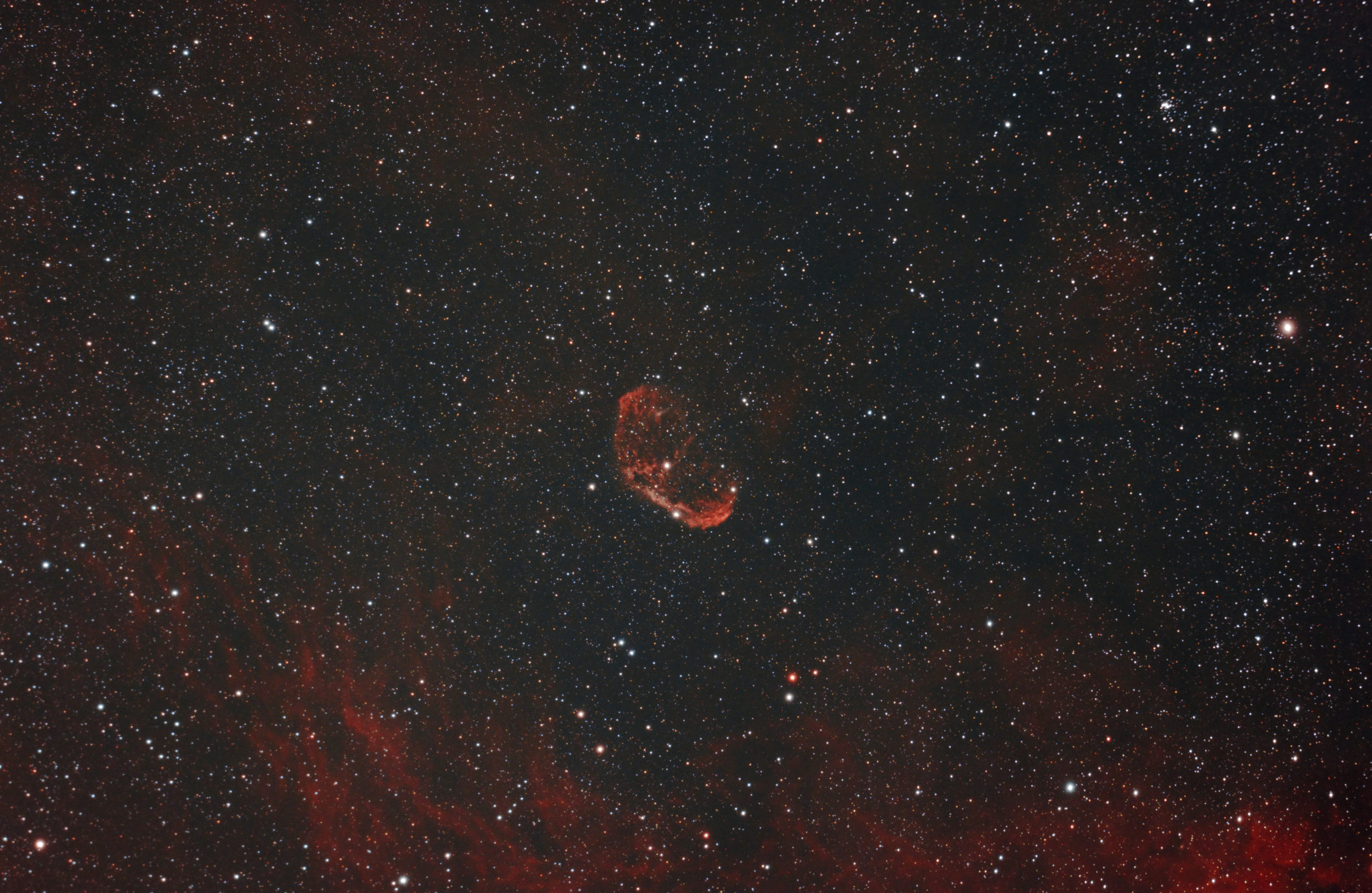
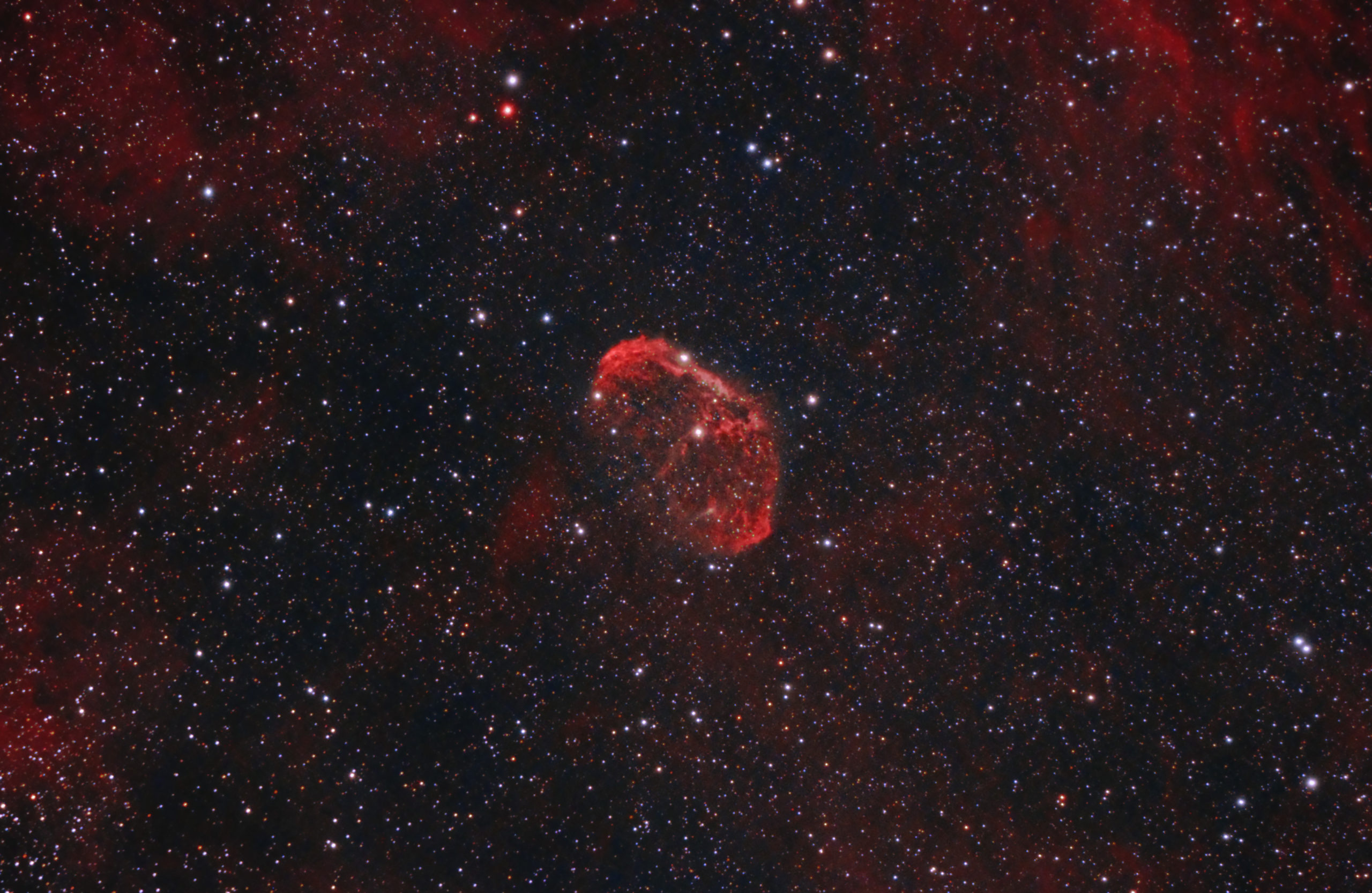
Crescent Nebula. 120 minutes (3 min subs,) QHY183c at -15C, Astro-Tech AT60ED at F/4.8, Optolong L-eNhance filter, SharpCap 3.2 LiveStacking from a metro area. Quick Fitsworks stretch, then final processing in PS.Rotated, cropped and enhanced version of the Crescent Nebula. 120 minutes (3 min subs,) QHY183c at -15C, Astro-Tech AT60ED at F/4.8, Optolong L-eNhance filter, SharpCap 3.2 LiveStacking from a metro area. Quick Fitsworks stretch, then final processing in PS.
The Veil Nebula Complex – 20 x 180 sec, QHY183c at -15C, Gain 11, Offset 50, Optolong L-eNhance filter, Astro-Tech AT60ED at F/4.8, SharpCap 3.2 Live Stacking for acquisition, metro-area light pollution conditions.
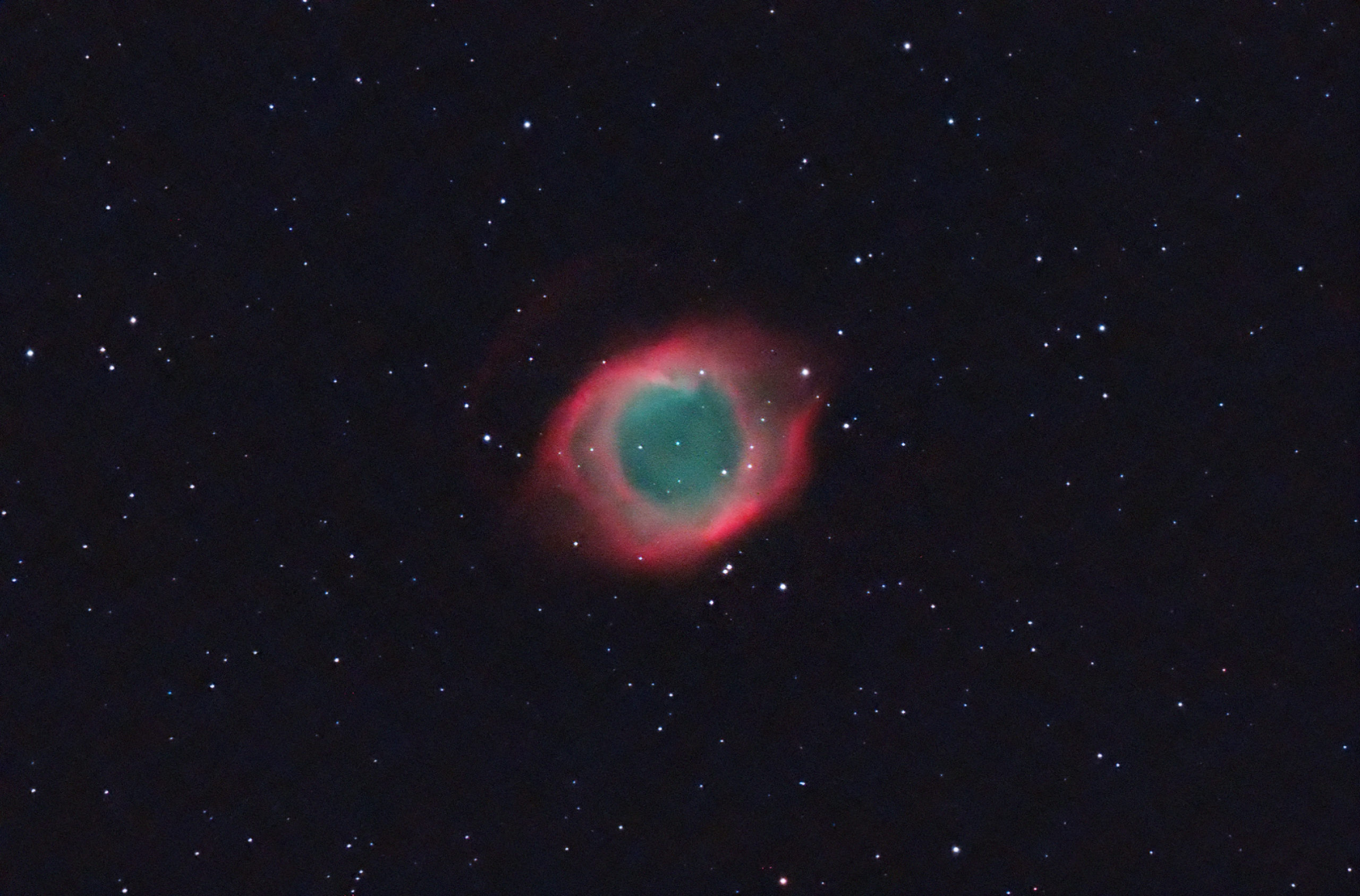
The Helix Nebula – 14 x 180 sec, QHY183c at -15C, Gain 11, Offset 50, Optolong L-eNhance filter, Astro-Tech AT60ED at F/4.8, SharpCap 3.2 Live Stacking for acquisition. Taken from metro-area light polluted conditions.
Images of Comets, Nebulae, Galaxies and Star Clusters