All posts by admin

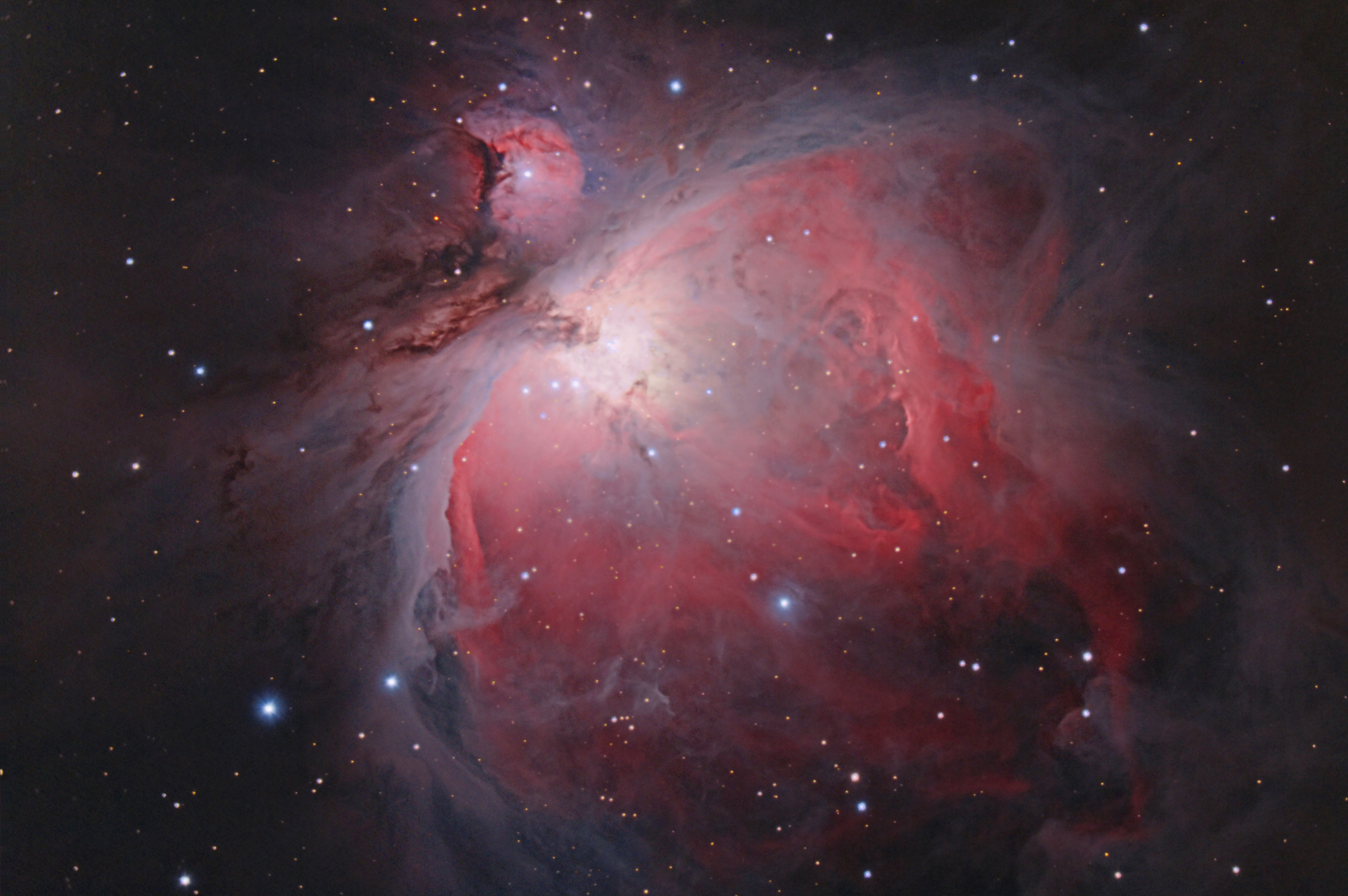
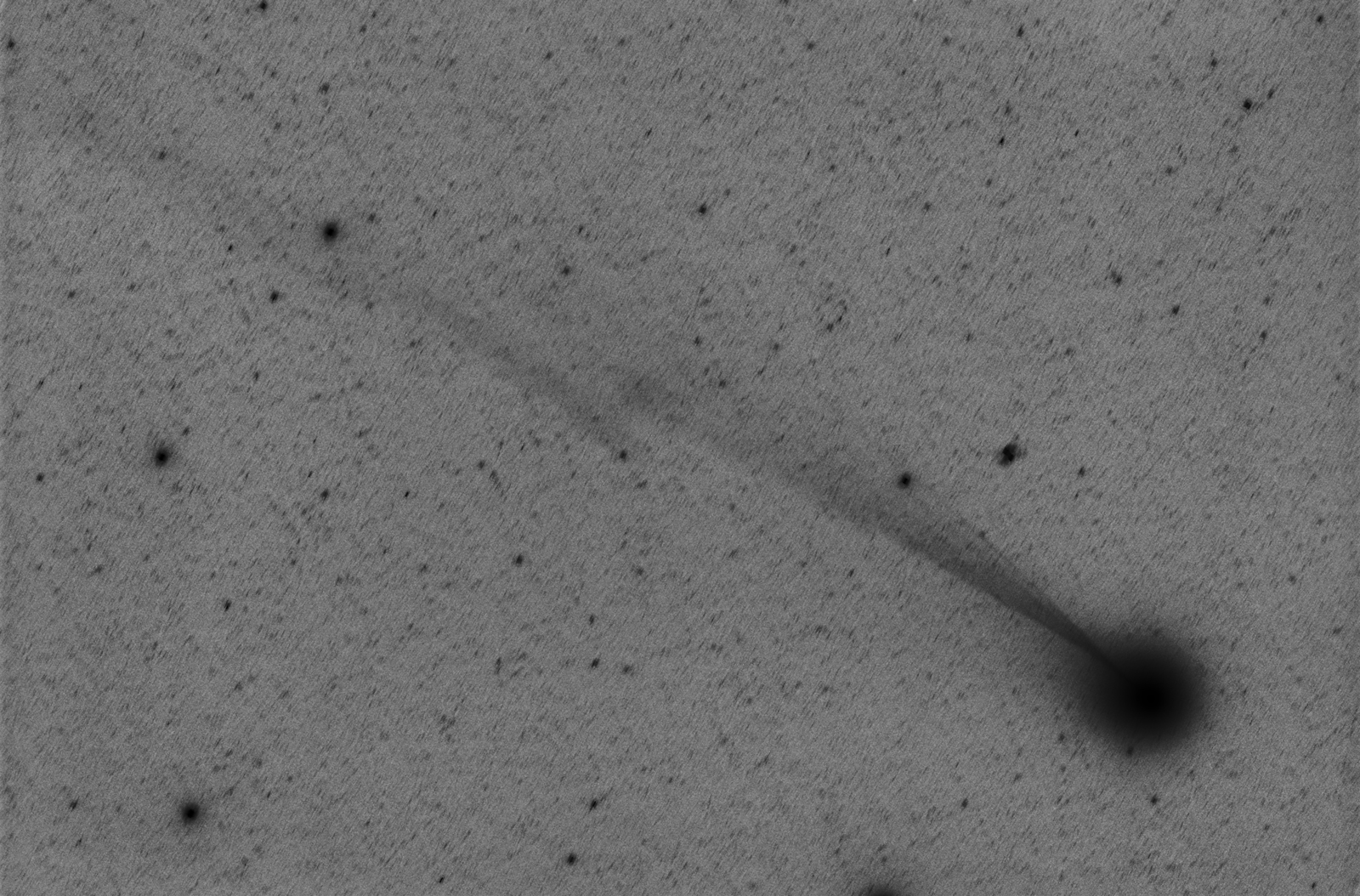
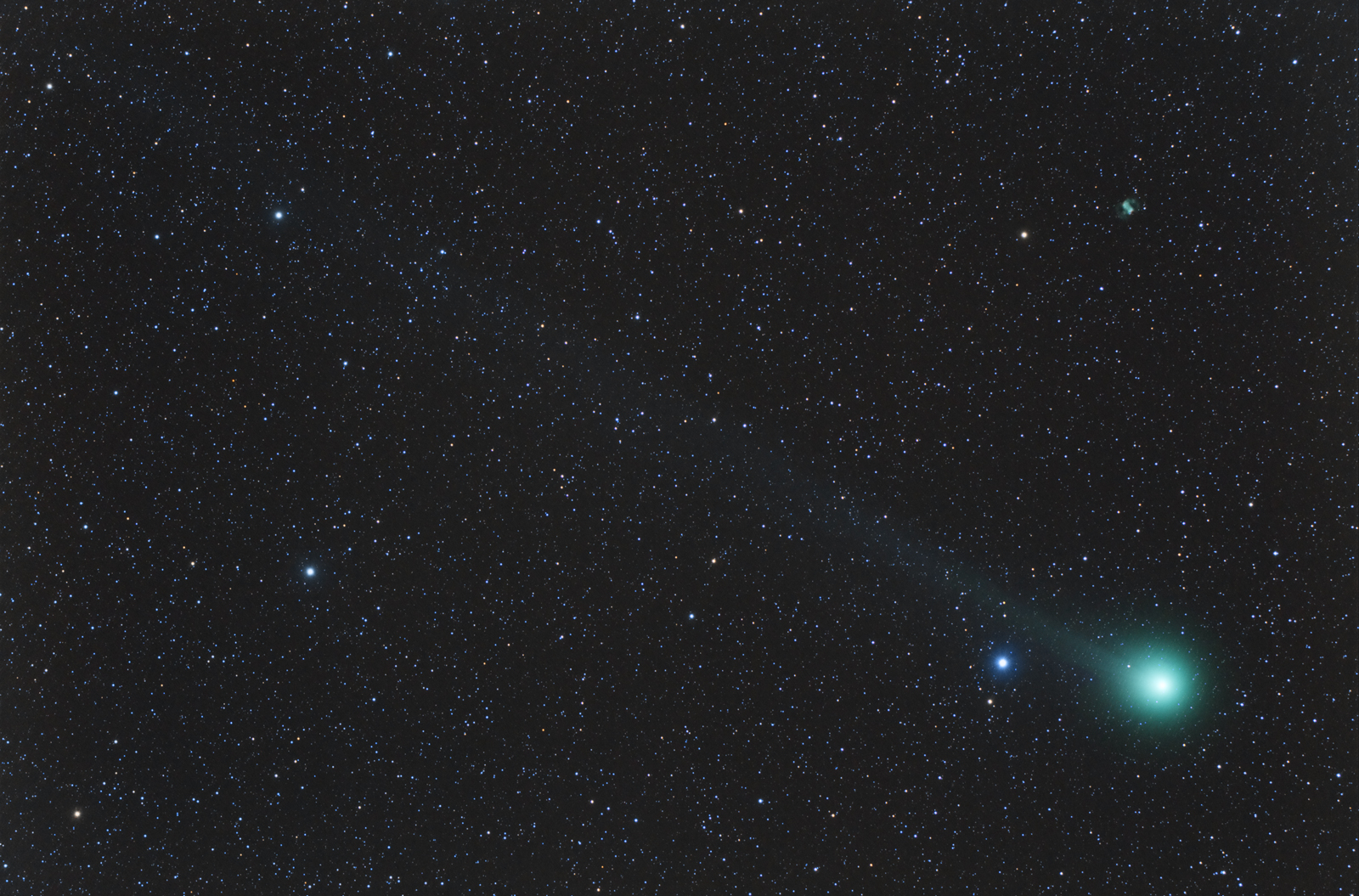
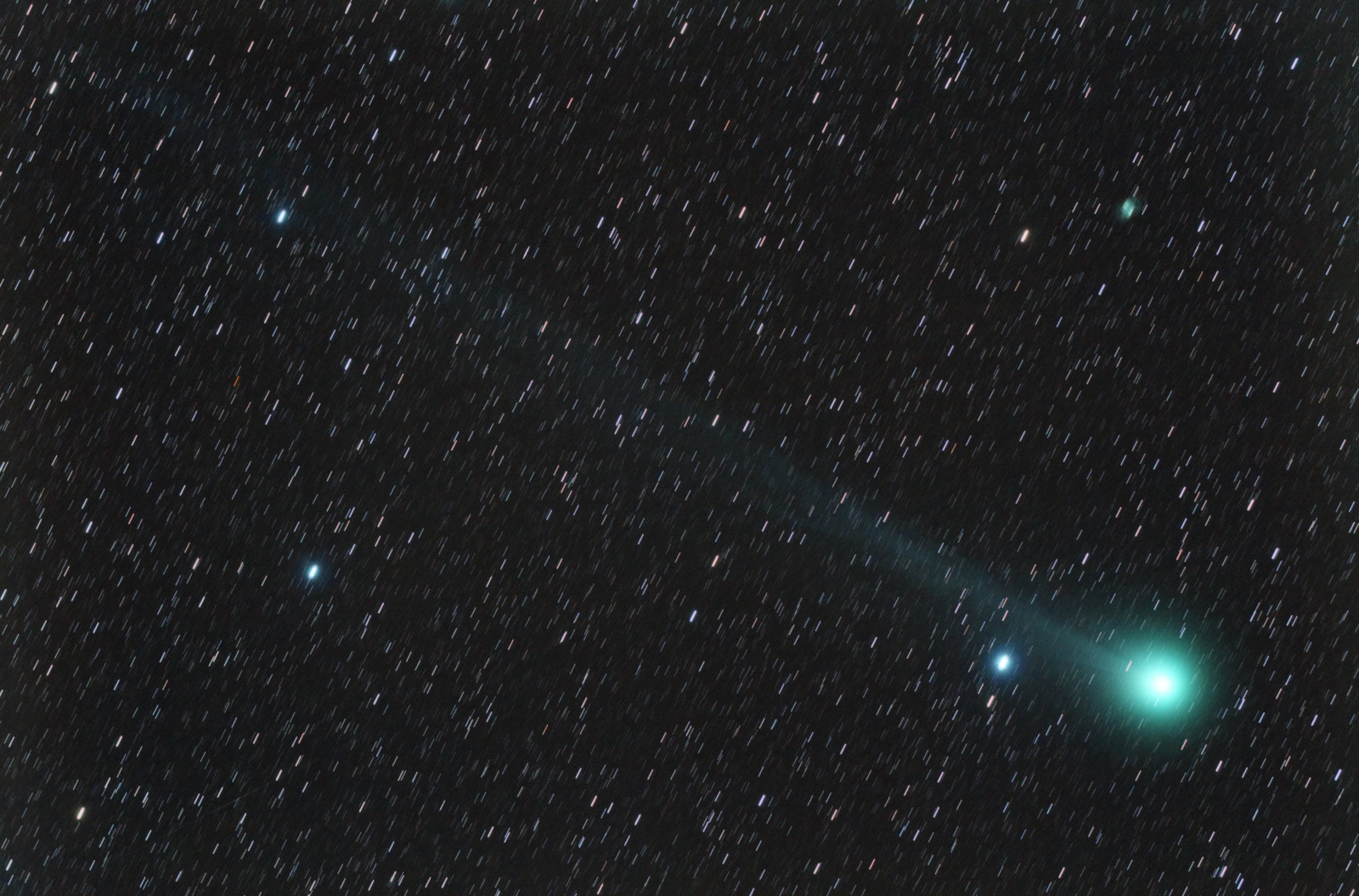
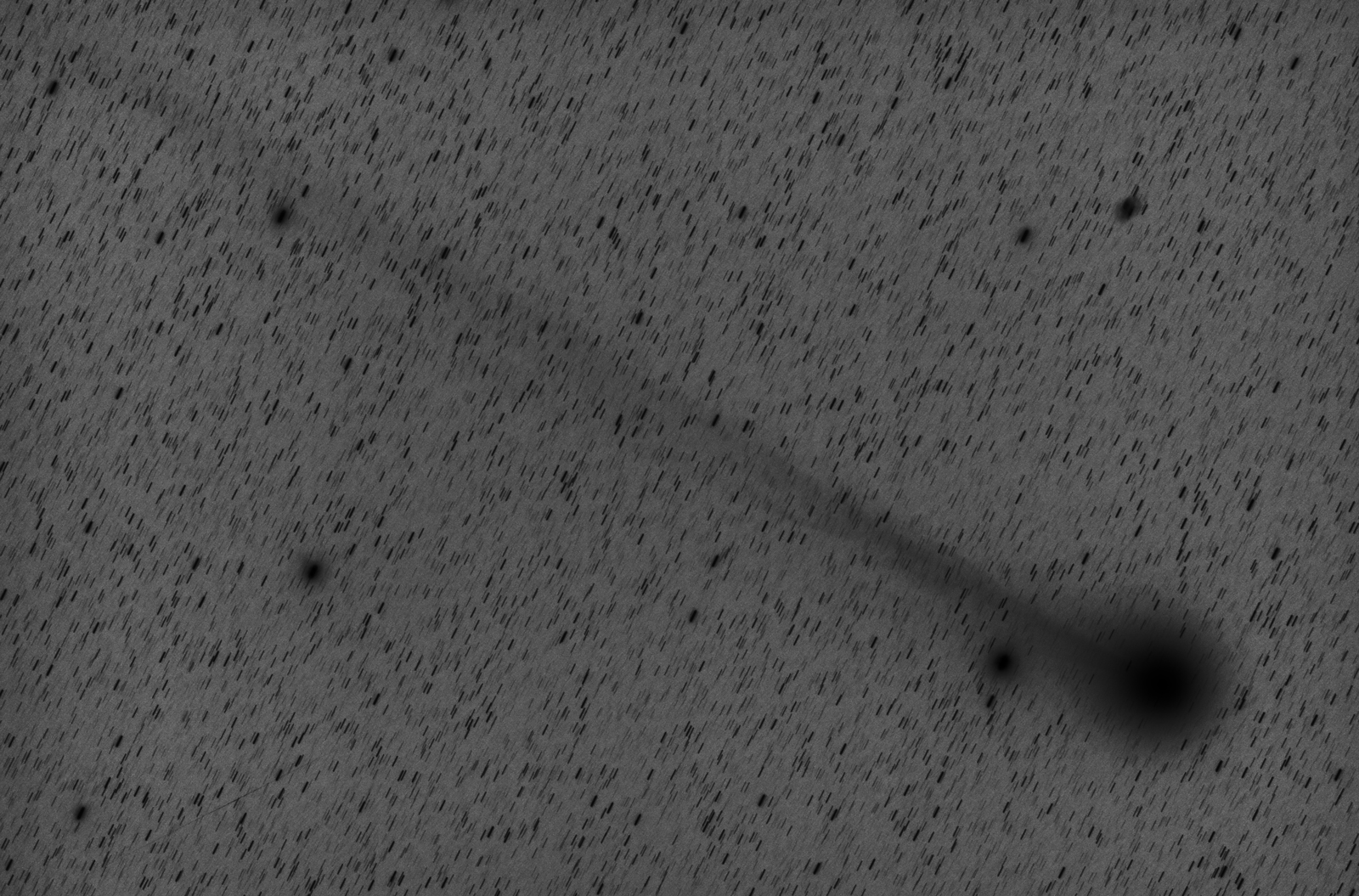
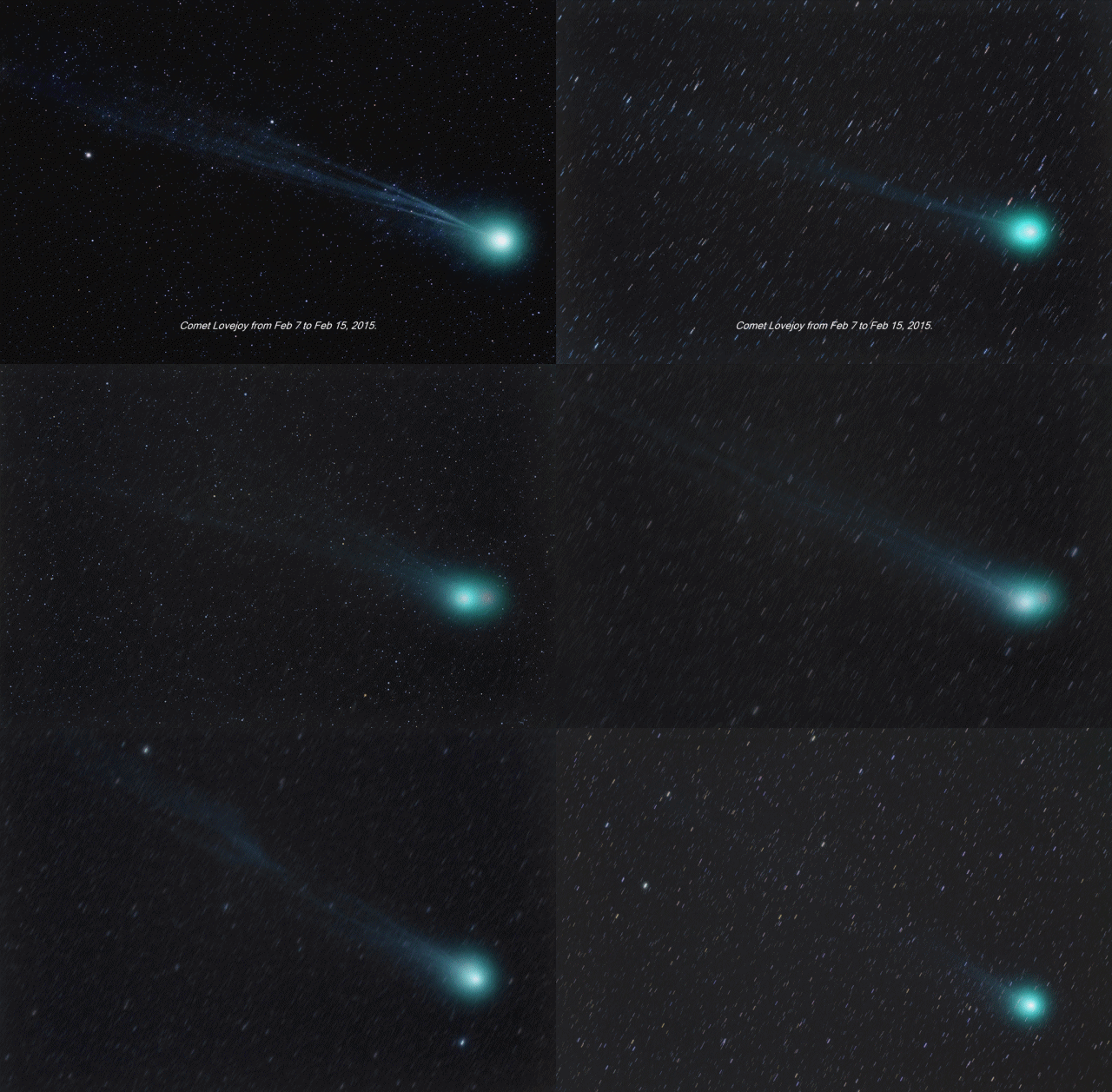
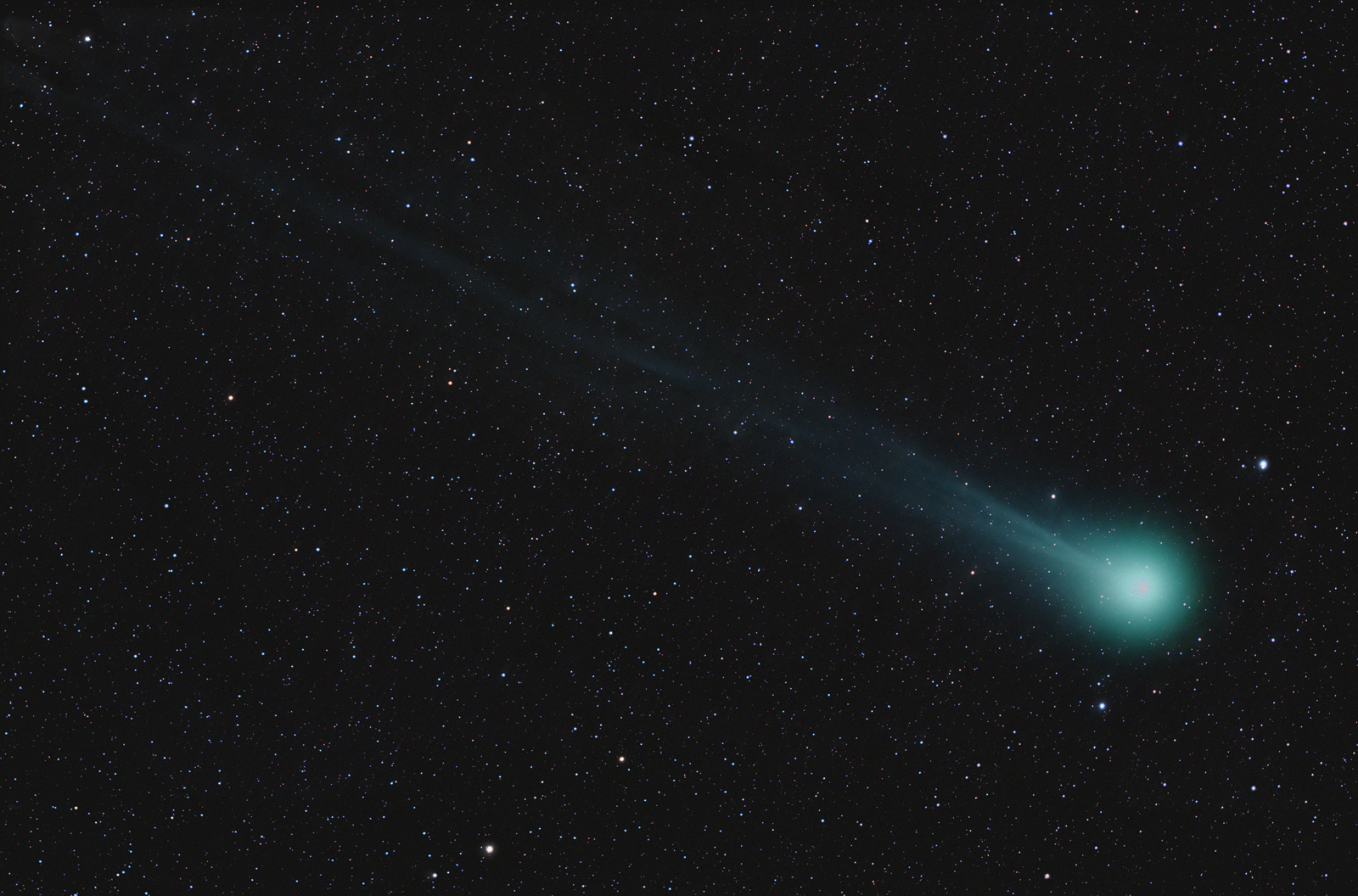
Comet Lovejoy’s Fantail on Feb 11, 2015, 01:00 UT

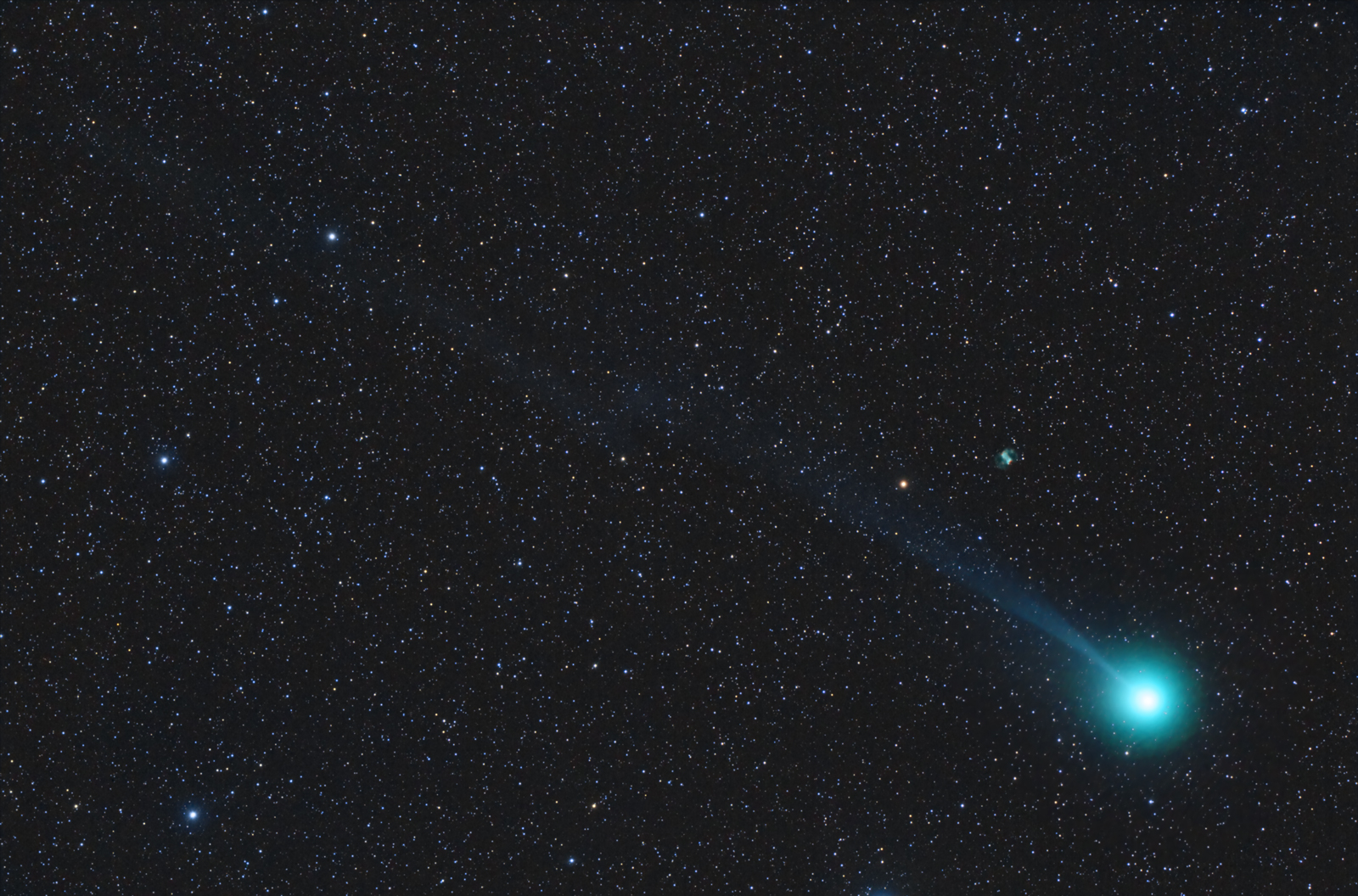
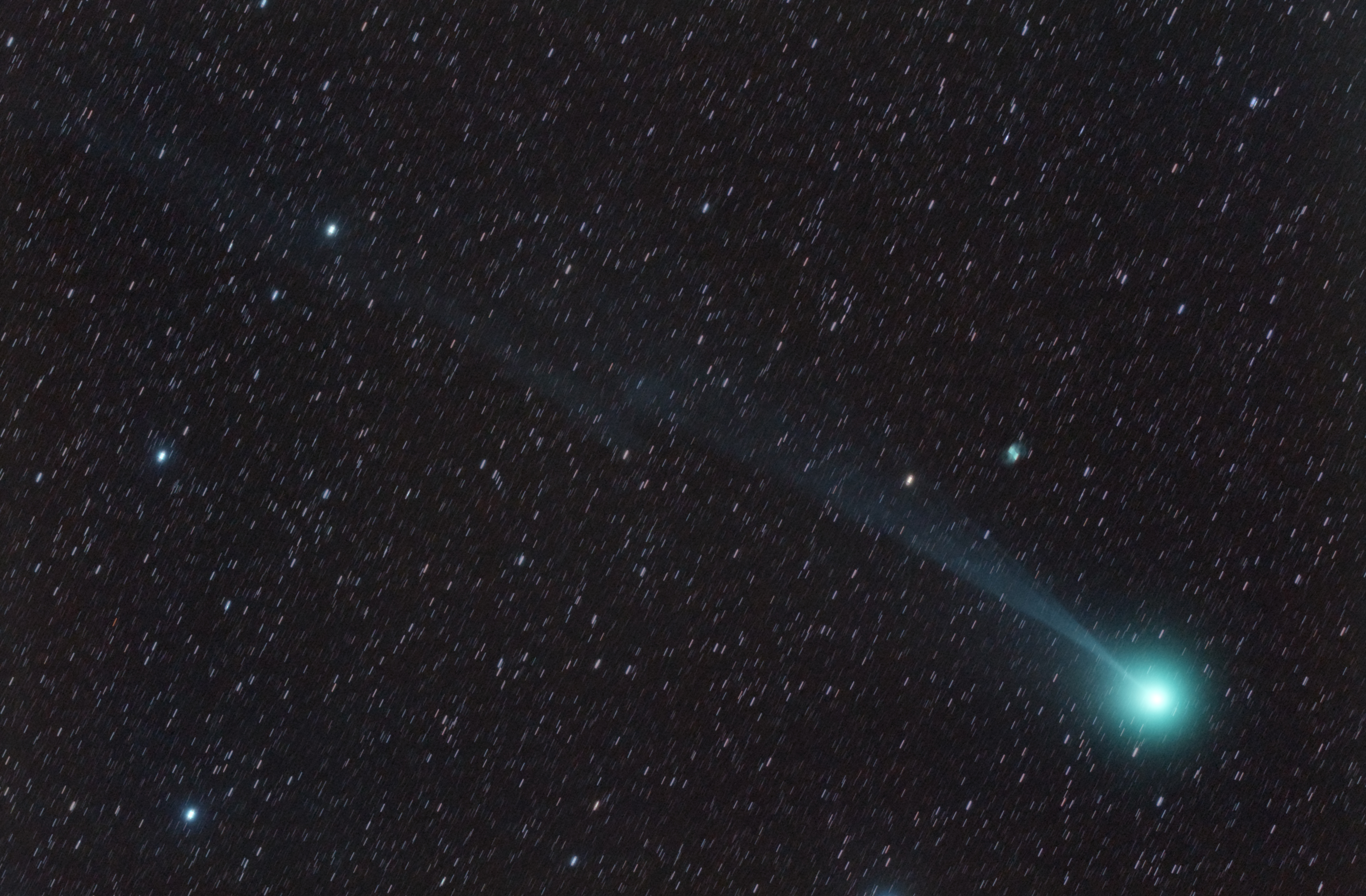
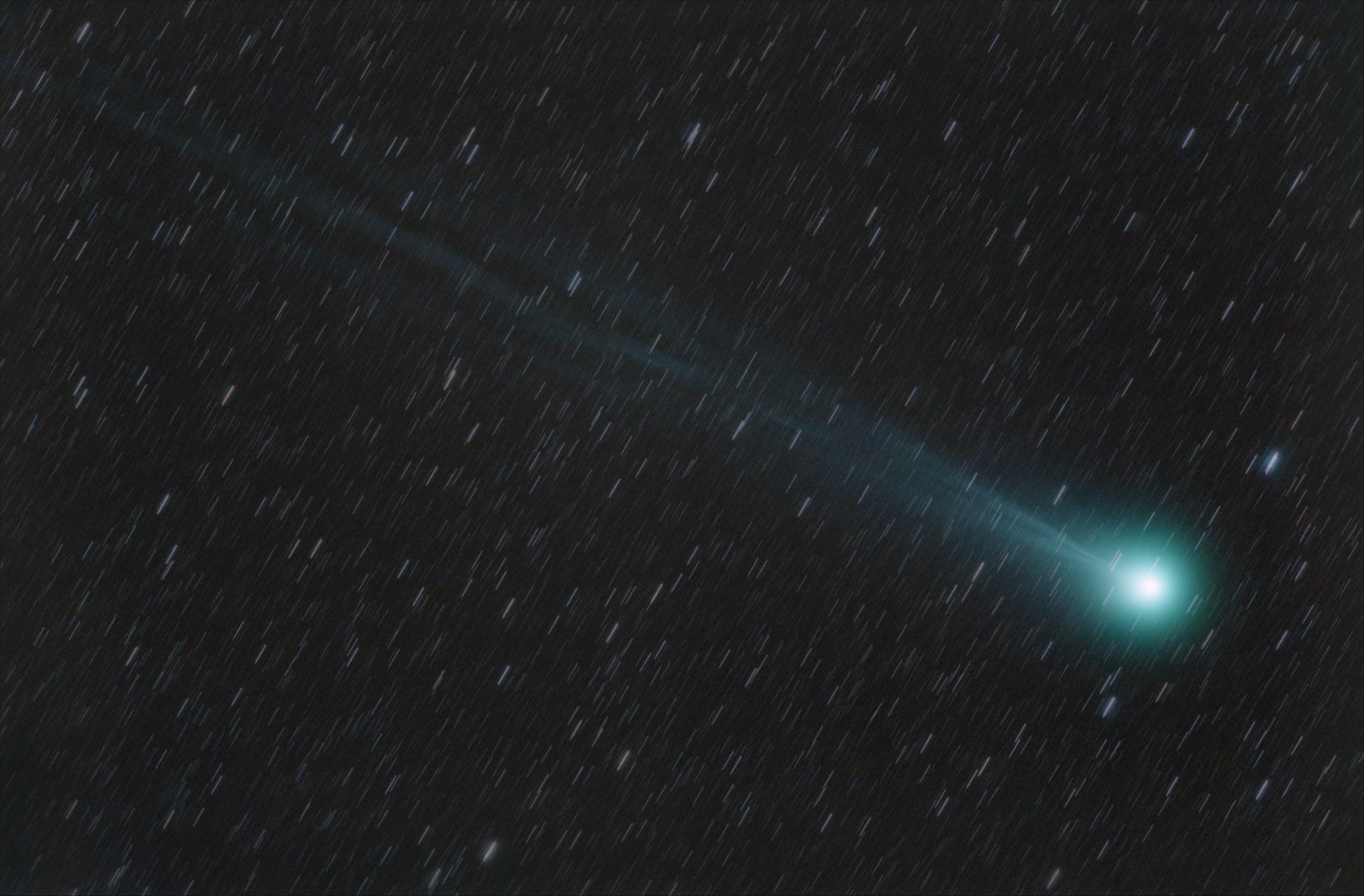
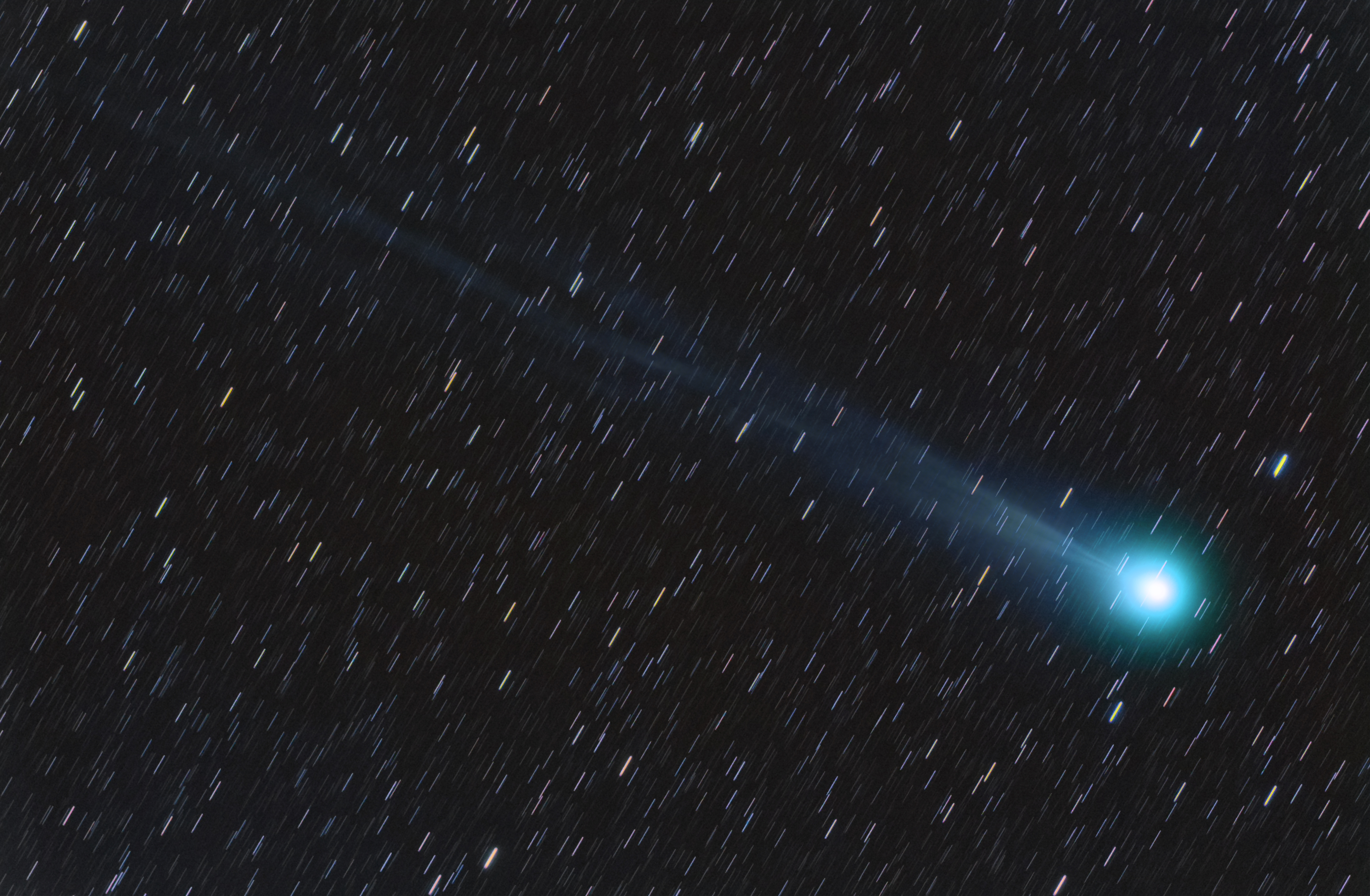
Comet Lovejoy Q2 on Feb 11, 2015, 01:00 UT.  78x60 sec @ ISO 6400, TV-85 at F/5.6, IDAS-LPS, Canon T3 DSLR.  (StarStreaks version.)
Comet Lovejoy Q2 on Feb 11, 2015, 01:00 UT. 78×60 sec @ ISO 6400, TV-85 at F/5.6, IDAS-LPS, Canon T3 DSLR. (StarStreaks version.)
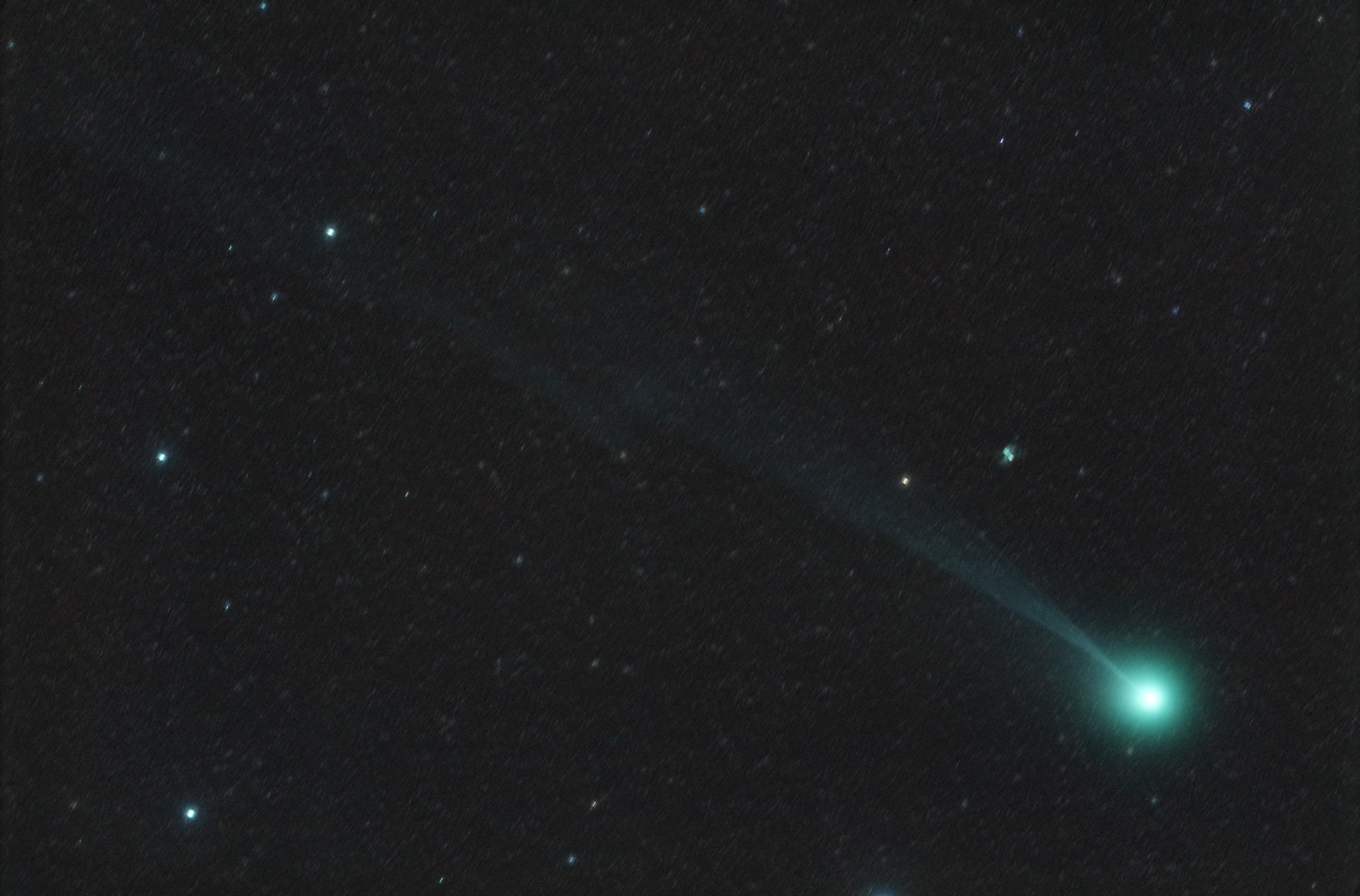
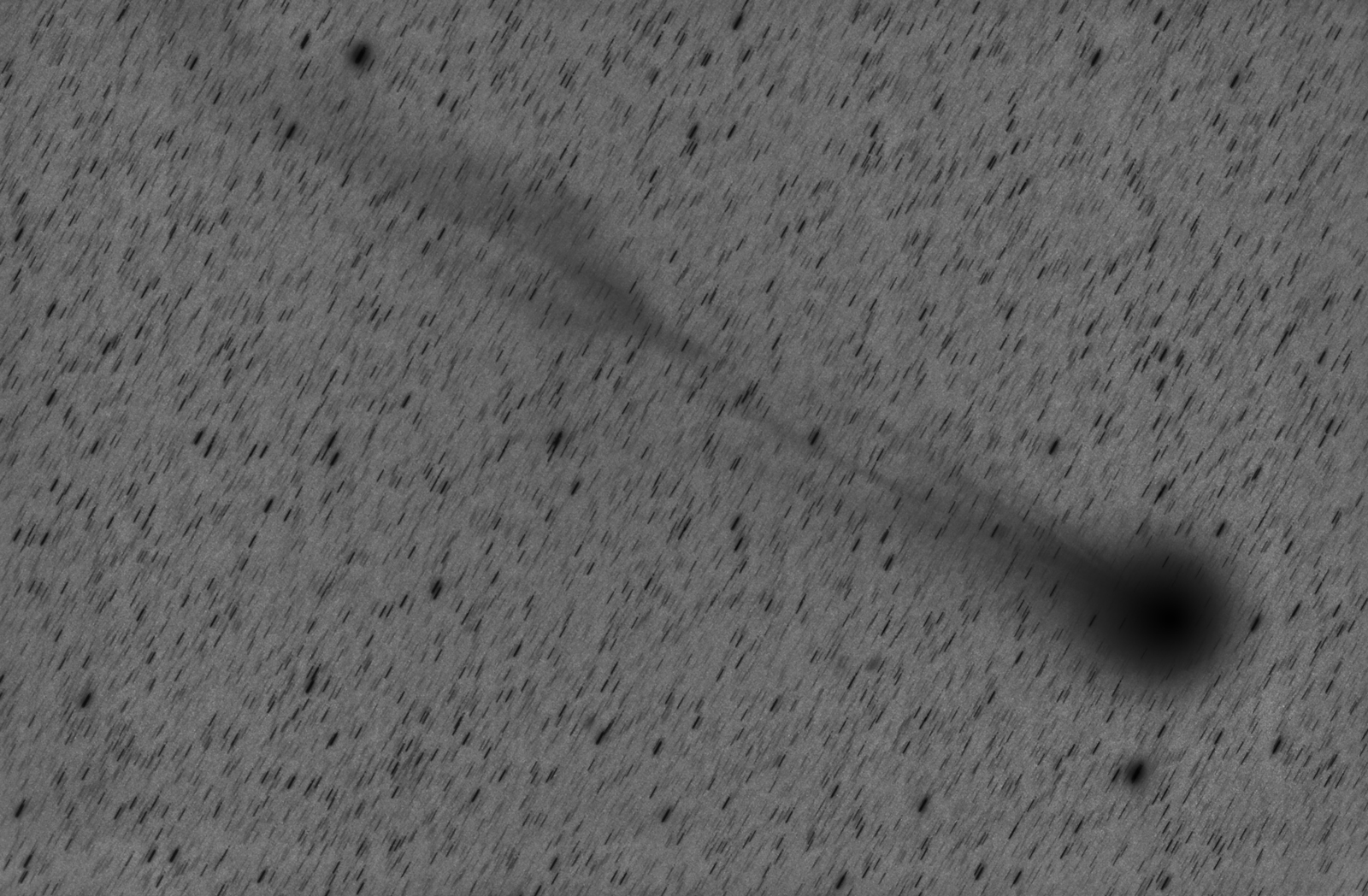
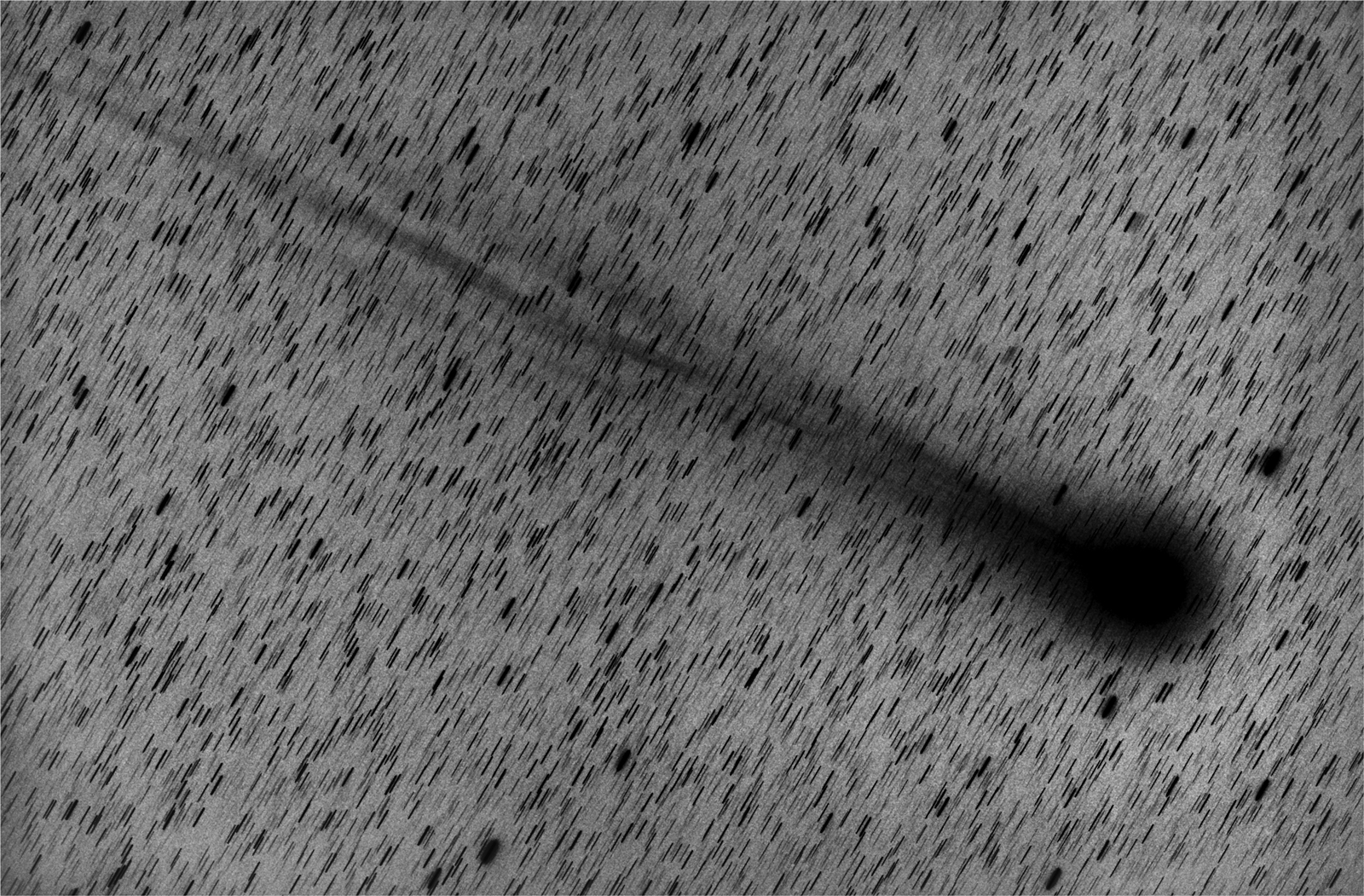
Comet Lovejoy Q2 on Feb 11, 2015, 01:00 UT.  38x60 sec @ ISO 6400, TV-85 at F/5.6, IDAS-LPS, Canon T3 DSLR.  (Comet Only Processing.)
Comet Lovejoy Q2 on Feb 11, 2015, 01:00 UT. 38×60 sec @ ISO 6400, TV-85 at F/5.6, IDAS-LPS, Canon T3 DSLR. (Comet Only Processing.)

Moving further west each night, Comet Lovejoy Q2 continues to change and present a different profile each day.  It has gone back to a fan tail with streamers, much like it looked back on Jan 25 and Jan 16, 2015.    There is a pattern there, but the period remains elusive.

Comet Lovejoy in 15 Minutes

C/2014 Q2 (Lovejoy) on Feb 9, 2015, 00:47 UT. 1x900 sec @ ISO 200, TV-85 at F/5.6, IDAS-LPS, Canon T3 DSLR.
C/2014 Q2 (Lovejoy) on Feb 9, 2015, 00:47 UT. 1×900 sec @ ISO 200, TV-85 at F/5.6, IDAS-LPS, Canon T3 DSLR.

I’ve been wanting to shoot some sub-images of Comet Lovejoy at relatively low ISO’s and for at least 15 minutes.  Here’s one that was shot at ISO 200 and boosted up a bit with some curves manipulation in PS.  So, this is a representation of old-school, one-shot imaging like I used to do back in the day with film.  You don’t have much in the way of post processing since the image looks fairly nice without that sort of thing.

Update:

Here’s the preliminary image from the data captured in the same session as the above:

Comet Lovejoy Q2 on Feb 9, 2015, 01:04 UT. 17×120 sec @ ISO 3200 & 4×900 sec @ ISO 400. TV-85 at F/5.6, IDAS-LPS, Canon T3.

C/2014 Q2 (Lovejoy) on Feb 7, 2015, 01:03 UT

C/2014 Q2 (Lovejoy) on Feb 7, 2015, 01:03 UT. 31x180 sec @ ISO 1600, TV-85 at F/5.6, IDAS-LPS, Canon T3. Comet-Only version.
C/2014 Q2 (Lovejoy) on Feb 7, 2015, 01:03 UT. 31×180 sec @ ISO 1600, TV-85 at F/5.6, IDAS-LPS, Canon T3. Gaudy StarFreeze version.
C/2014 Q2 (Lovejoy) on Feb 7, 2015, 01:03 UT. 31x180 sec @ ISO 1600, TV-85 at F/5.6, IDAS-LPS, Canon T3. Combined StarFreeze version.
C/2014 Q2 (Lovejoy) on Feb 7, 2015, 01:03 UT. 31×180 sec @ ISO 1600, TV-85 at F/5.6, IDAS-LPS, Canon T3. Combined StarFreeze version.
C/2014 Q2 (Lovejoy) on Feb 7, 2015, 01:03 UT. 31x180 sec @ ISO 1600, TV-85 at F/5.6, IDAS-LPS, Canon T3. Comet-Only version.
C/2014 Q2 (Lovejoy) on Feb 7, 2015, 01:03 UT. 31×180 sec @ ISO 1600, TV-85 at F/5.6, IDAS-LPS, Canon T3. Comet-Only version.

Ok, I got some decent data on this imaging session, even though there were some high altitude clouds that came and went a few times.   Then, the moon rose and I stopped imaging at that point.    Lovejoy is presenting its thin, edge-on tail mode to us on this night.  It makes the tail brighter, that’s for sure.

Comet Lovejoy Q2, Feb 6, 2015, 00:47 UT

C/2014 Q2 (Lovejoy) on Feb 6, 2015, 00:47 UT.  30x120 sec @ ISO 3200, TV-85 at F/5.6, IDAS-LPS, Canon T3 DSLR.  (StarFreeze version.)
C/2014 Q2 (Lovejoy) on Feb 6, 2015, 00:47 UT. 30×120 sec @ ISO 3200, TV-85 at F/5.6, IDAS-LPS, Canon T3 DSLR. (StarFreeze version.)
C/2014 Q2 (Lovejoy) on Feb 6, 2015, 00:47 UT.  30x120 sec @ ISO 3200, TV-85 at F/5.6, IDAS-LPS, Canon T3 DSLR.  (StarStreaks version.)
C/2014 Q2 (Lovejoy) on Feb 6, 2015, 00:47 UT. 30×120 sec @ ISO 3200, TV-85 at F/5.6, IDAS-LPS, Canon T3 DSLR. (StarStreaks version.)
C/2014 Q2 (Lovejoy) on Feb 6, 2015, 00:47 UT.  30x120 sec @ ISO 3200, TV-85 at F/5.6, IDAS-LPS, Canon T3 DSLR.  (Comet Only version.)
C/2014 Q2 (Lovejoy) on Feb 6, 2015, 00:47 UT. 30×120 sec @ ISO 3200, TV-85 at F/5.6, IDAS-LPS, Canon T3 DSLR. (Comet Only version.)

The nearly full moon rose about an hour after twilight ended, so that gave me enough time to get 30 subs of Comet Lovejoy Q2 before it came up and started washing out the comet.   Lovejoy looks like it is not as bright as it once was, but it still has a long tail.

Comet Lovejoy in Strong Moonlight – Jan 29, 2015, 00:43 UT

C/2014 Q2 (Lovejoy) on Jan 29, 2015, 00:43 UT.  17x180 sec @ ISO 1600, TV-85 at F/5.6, IDAS-LPS, Lumicon Deep Sky filter, Canon T3 DSLR.
C/2014 Q2 (Lovejoy) on Jan 29, 2015, 00:43 UT. 17×180 sec @ ISO 1600, TV-85 at F/5.6, IDAS-LPS, Lumicon Deep Sky filter, Canon T3 DSLR.

Click here to see an extra-large version of the above.

Here’s the StarStreaks version:

q2-150129-0043-17x180-1600-85f5_6-ss
StarStreaks Processed Version

Finally, here’s the StarFreeze version:

StarFreeze Processed Version.

I don’t shoot very many deep sky images with a moon past first quarter, but with comets I can make an exception.  Lovejoy is a really photogenic comet and it even looks good in poor conditions.   Clouds came in and I had to stop imaging after shooting less than 20 sub-images.   But, with this comet, 51 minutes of integration was enough to show it without blurring due to the tail rotation that is evident in my previous animated GIF images.

Speaking of animated GIF’s, I created one with the last 3 days of images.  On the second day, I put two images in – one from the beginning of the imaging session and one at the end of the session.  It doesn’t show much except the tail flapping around.  Part of that might be due to a difference in camera orientation.  Anyway, I include it below as another part of the documentation of Comet Lovejoy Q2’s activity:

Comet Lovejoy Q2 on Jan 27th, 28th and 29th, 2015.

Comet Lovejoy – No Joy as Prediction Fails

C/2014 Q2 (Lovejoy) on Jan 28, 2015, 03:00 UT.   12x180 sec @ ISO 1600, TV-85 at F/5.6, IDAS-LPS & Lumicon Deep Sky filters, Canon T3 DSLR.
C/2014 Q2 (Lovejoy) on Jan 28, 2015, 03:00 UT. 12×180 sec @ ISO 1600, TV-85 at F/5.6, IDAS-LPS & Lumicon Deep Sky filters, Canon T3 DSLR.
Comparison with image taken the day before to see what the tail has done in 24 hrs time.

My prediction that the tail of Comet Lovejoy would display a structure seen 9 days before the date of this image has failed.  There is no resemblance to the appearance of the comet from 9 days before and the comet actually exhibits features I have not seen before.

Very strong moonlight hindered getting good images.  The moon was just past first quarter and was right below the comet.  I guess I’m lucky to get what I got.  I’m still investigating the rotation aspect of the tail structures and why it appears to take 9 days to complete one revolution.